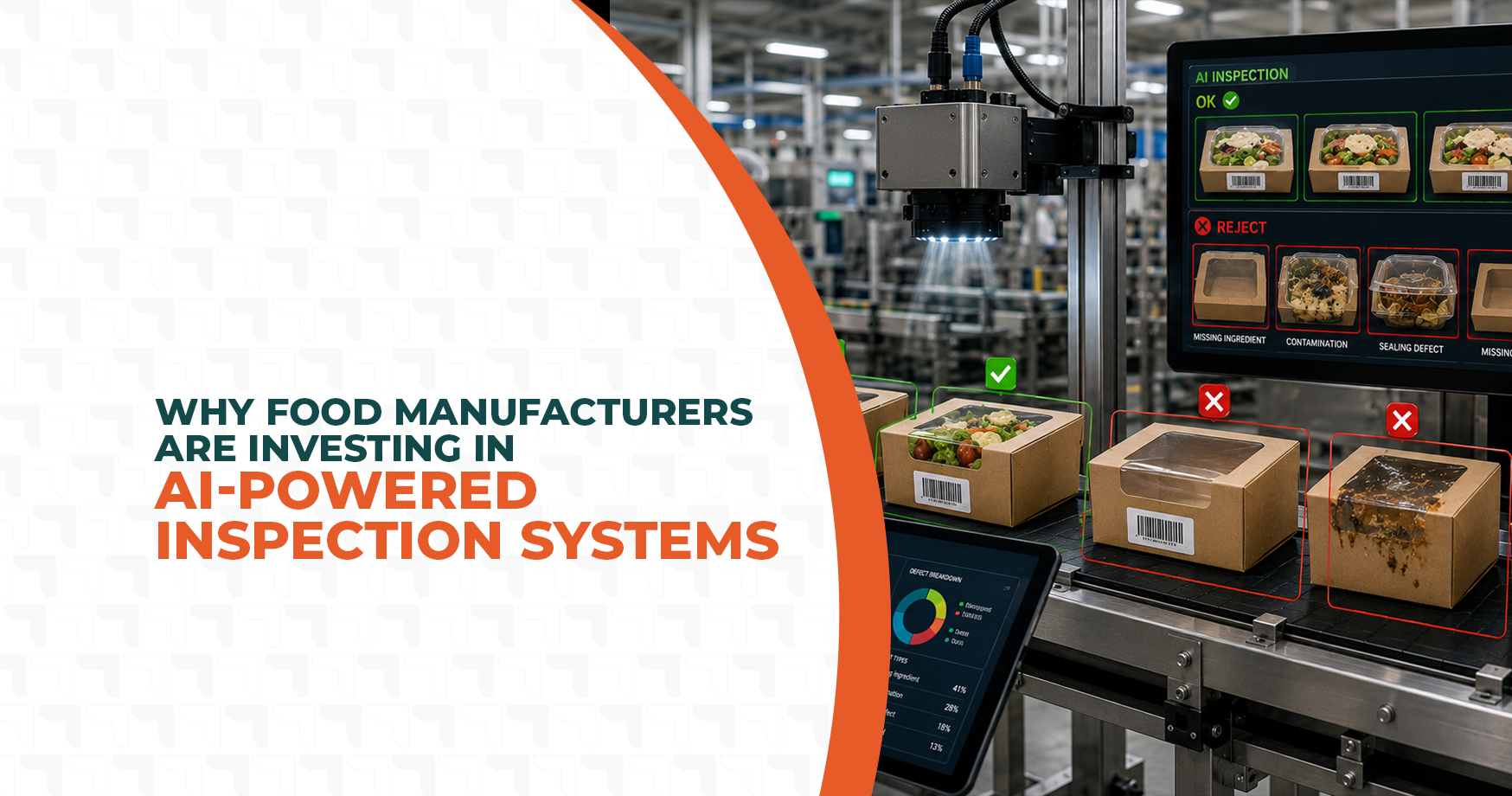


Achieve New Levels of Efficiency with A Lean Manufacturing Process That Is Smart & Intelligent
Lean manufacturing is a philosophy focusing on reducing waste and improving efficiency in manufacturing processes. The basic concept behind lean manufacturing is that waste in any form is unacceptable and that the best way to achieve an efficient manufacturing process is through the elimination of waste in the form of unnecessary motion, delays, overproduction, and defects. It is also a collection of methods and techniques designed to achieve this, such as Kaizen and Just-in-Time (JIT) manufacturing. The term lean has its roots in the Toyota Production System, which is one of the most famous examples of lean manufacturing. The Toyota system has evolved over the years, and today it is commonly referred to as lean manufacturing or lean production. It can help companies reduce costs and increase profits while also improving customer service and working conditions for employees.
Benefits of Lean Manufacturing
1. Higher Product Quality:
Increased efficiency frees up workers and resources that would otherwise be occupied with innovation and quality control tests.
2. Improved Organizational Flexibility:
By streamlining manufacturing processes, organizations can better respond to demand variations and other market variables, resulting in fewer delays and shorter wait times when managing factories or production centers.
3. Sustainability:
An organization with decreased waste output and rapid responsiveness is best positioned to hold an edge over its competitors, improving its chances of flourishing in an increasingly competitive industry.
4. Employee Satisfaction:
When your employees' day-to-day workplace routines are disorganized, inefficient, or filled with mundane, repetitive tasks, their morale suffers. Applying lean manufacturing principles improves employee morale by decluttering the daily schedules, getting rid of inane tasks, and freeing up their time to be more productive.
5. Increased Profits:
Higher productivity brought on by adopting lean manufacturing translates into higher profits. By decreasing inefficiencies in the manufacturing processes and reducing waste production per unit, the money spent on corrections and waste disposal can now be redirected towards the profits earned by the company.
Apple Inc.: A Case Study
Apple Inc. is one of the leading tech companies in the world, with a market cap of well over $2.5 trillion. The current CEO, Tim Cook, took over the company’s reins in 2011. Since then, Apple’s market capitalization has jumped from $348 billion to more than $2 trillion in 10 years. How did he achieve this remarkable success? The answer lies in his management of people, resources, equipment, knowledge, and money. In short, he adopted some of the key principles of lean manufacturing, reducing waste and optimizing existing processes. Their product strategy revolves around releasing reputable products that people don’t hesitate to buy and fix any issues that crop up in future iterations of the same product. This incremental approach towards improving existing products can safely be referred to as a variation on the lean manufacturing process since each new generation of Apple products is upgraded just enough to offset issues faced by the previous generations. This approach reduces waste in the form of man-hours, R&D budget, manufacturing costs, transportation, and much more.
Bar Code India
Bar Code India (BCI) has been the market leader in bringing agility and flexibility to their clients’ supply chains for over two decades, as evidenced by their more than two thousand clients in just two decades of operations. Bar Code India and its team of experts possess both knowledge and experience, a valuable combination when it comes to dealing with large organizations. They offer solutions and business analytics through their varied offerings, from warehouse management systems, vendor management systems, asset management software, and vehicle tracking systems to item-level intelligence, cold chain logistics management, and much more. When using Bar Code India-enabled systems, such as IoT integration, every step of the manufacturing process is traceable and can be reviewed extensively to prevent mishaps or defective products in the future. Worker safety, 4M management, safety compliance, and product quality assurances get automated, freeing up precious time for you to focus on the bigger picture, aided by predictive market analytics provided by Bar Code India. These predictive market analytics are crucial to keeping your company two steps ahead of the competition and planning out future needs with the present in mind. An e-waste policy is also in place at Bar Code India and aims to minimize the harmful impact of barcode scanners, barcode printers, mobile computers, and other electronic components. As part of this effort, BCI has partnered with 3R Recycler, an authorized e-waste recycler. Under this partnership, BCI will provide drop-off centers for e-waste and ensure the environmentally sound disposal of electronics that have reached the end of their useful life.
Conclusion:
Bar Code India is one of the premier companies when it comes to lean manufacturing and process optimizations. Founded in 2001, Bar Code India has since worked with multiple large organizations worldwide, such as Sony, Flipkart, Hero, IKEA, Canon, Whirlpool, and many others. If you’d like to learn more about Bar Code India, click here to view their website. You can also email them at sales@barcodeindia.com or call at +919958485400 for sales queries.
Share this page
India Has Built a Defence Manufacturing Industry. Now It Has to Prove What It Builds

What Is Pharmaceutical Serialization? Definition, Requirements & How It Works
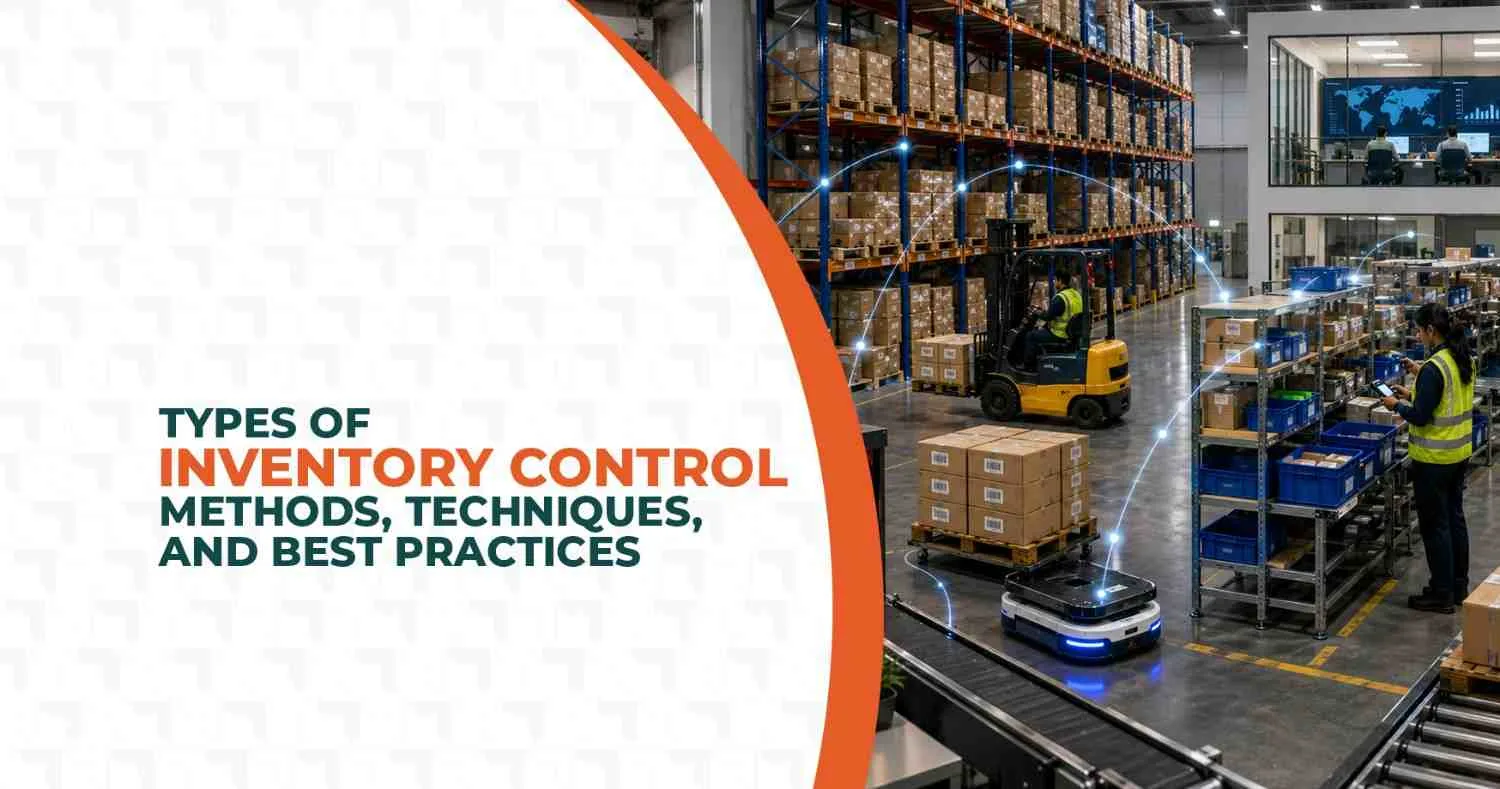
Types of Inventory Control: Systems, Methods, and Technologies for Better Warehouse Visibility