
Difference between RFID and Barcode
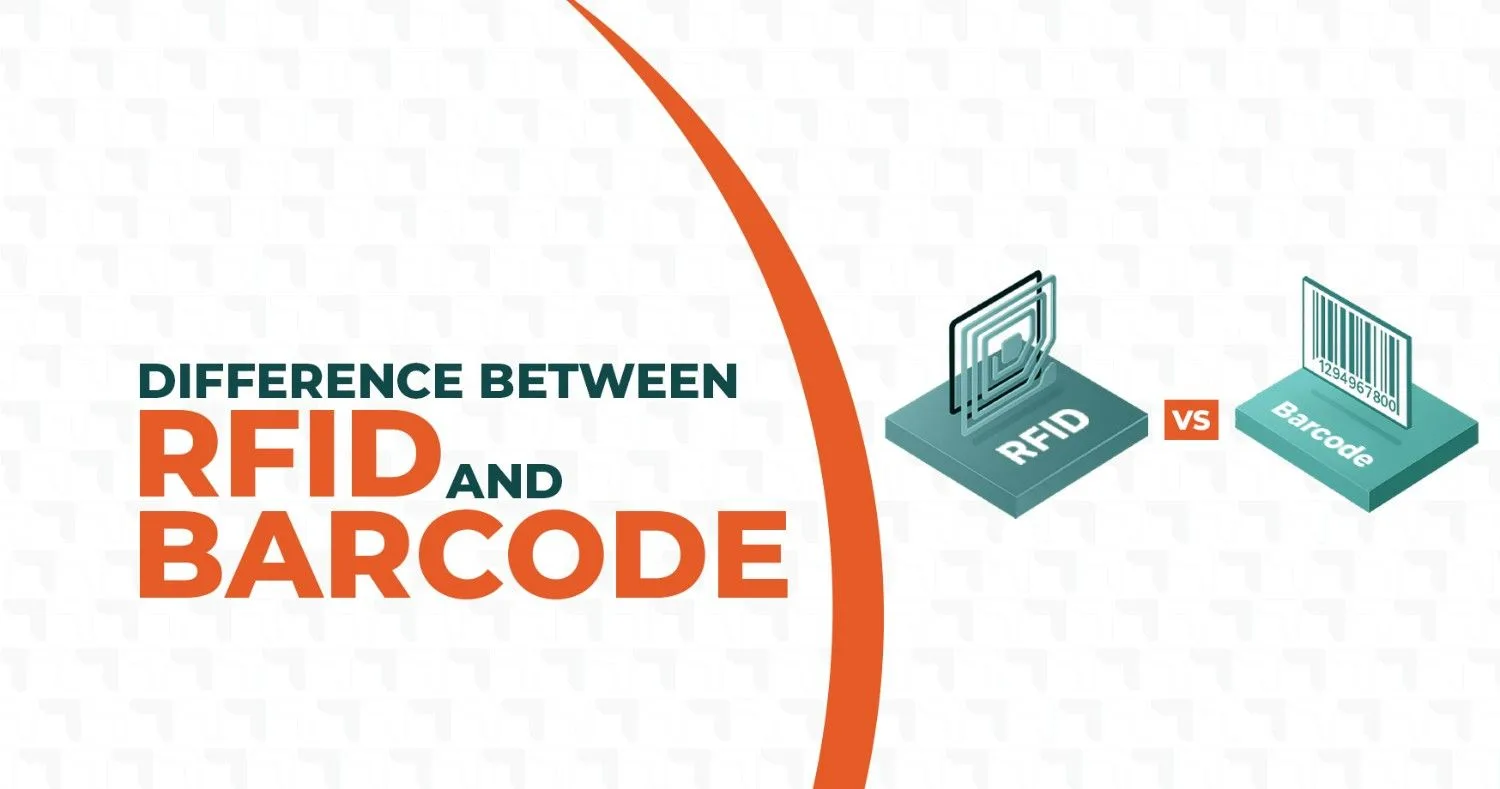
Radio Frequency Identification (RFID) and barcodes are two prevalent technologies used for tracking and managing inventory across various industries. While the usage of barcodes may have been a widespread norm within inventory management for decades, RFID technology offers a more advanced solution with capabilities like scanning multiple items simultaneously without direct line-of-sight and much more.
However, the point isn’t focused on which technology is better. It is the mode of application and its effectiveness in the said scenario. This is what businesses need to evaluate before choosing the right tracking system. Read this blog to understand the difference between RFID and barcode. Also, understand the barcode definition first.
Key Differences Between RFID and Barcode
Understanding the distinctions between RFID and barcode technologies is essential for businesses aiming to optimize their inventory management systems. Below is a comparative overview highlighting the primary differences between the two:
Comparison Table: RFID vs. Barcode


1. Technology & Working Principle
RFID systems consist of tags embedded with microchips and antennas that communicate with readers via radio waves. These tags can be passive (without a power source) or active (with a battery), allowing for data transmission over varying distances. Barcodes, on the other hand, are visual representations of data, typically printed on labels, which are read by scanners using light to interpret the code.
2. Scanning Range & Speed
RFID readers can scan multiple tags simultaneously from a distance, significantly speeding up processes like inventory checks and asset tracking. This non-line-of-sight capability allows for rapid data collection. Conversely, barcode scanners require a direct line-of-sight and can only scan one item at a time, making the process slower and more labor-intensive.
3. Data Storage Capacity
RFID tags can store a substantial amount of data, including unique identifiers, product details, and even maintenance records. This capacity enables more detailed tracking and information retrieval. Barcodes are limited in data storage, typically containing only basic information like product numbers, necessitating access to a database for additional details.
4. Durability & Reliability
RFID tags can withstand harsh environmental conditions, such as exposure to chemicals, moisture, and physical stress. This durability makes them suitable for industrial applications. Barcodes, being printed labels, are more susceptible to damage, which can render them unreadable and disrupt operations.
5. Cost Considerations
The installation and implementation aspects of RFID systems involve higher initial costs due to the price of tags, readers, and integration with existing systems. However, the long-term benefits, such as reduced labor costs and improved accuracy, can offset these expenses. Barcodes are cost-effective to implement, with inexpensive labels and scanners, making them accessible for small to medium-sized businesses.
6. Security & Accuracy
RFID systems offer enhanced security features, including encryption and authentication protocols, reducing the risk of data breaches and counterfeiting. They also provide higher accuracy in data collection, minimizing errors. Barcodes lack these advanced security measures and are more prone to duplication and human error during scanning.
Pros and Cons of RFID and Barcode
Both RFID and barcode technologies have their advantages and limitations. Businesses can use this understanding to make sensible choices based on their specific demands.
From a solution provider perspective, Bar Code India makes a difference for the entire ecosystem involved. Barcode connects physical items to systems through manual scanning, while RFID connects them automatically through integrated hardware, infrastructure, and software.
Advantages & Disadvantages of RFID
RFID is designed to automate identification and tracking. Once deployed, it becomes part of the operational infrastructure, allowing inventory to be detected and recorded as it moves through different checkpoints.
Advantages:
- Efficient Scanning: Ability to read multiple tags simultaneously without direct line-of-sight.
- Enhanced Data Storage: Can hold more information, facilitating detailed tracking.
- Durability: Resistant to environmental factors, suitable for harsh conditions.
- Improved Security: Difficult to duplicate, offering better protection against counterfeiting.
Disadvantages:
- Higher Initial Costs: Expensive tags and readers increase upfront investment.
- Complex Implementation: Requires integration with existing systems and training.
- Interference Issues: Metal and liquids can interfere with signal transmission.
Advantages & Disadvantages of Barcode
From a business perspective, barcode functions as a reliable identification infrastructure made up of barcode labels, scanners, mobile computers, printers, and consumables. These components work together to capture item information, send it to backend systems like ERP or warehouse platforms, and maintain operational visibility.
Advantages:
- Cost-Effective: Inexpensive to produce and implement.
- Simplicity: Easy to use and widely understood.
- Standardization: Universally accepted across various industries.
Disadvantages:
- Limited Data Storage: Can hold limited information.
- Requires Line-of-Sight: Slower scanning process due to one-at-a-time reading.
- Susceptibility to Damage: Labels can be easily damaged, affecting readability.
RFID and Barcode: Best Use Cases for Businesses
The choice between RFID and barcode depends on how inventory moves, how fast operations run, and how much automation a business needs. Barcode works best where staff can scan items as part of the workflow. RFID becomes valuable where businesses want movement to be captured automatically without depending on manual effort.
Both technologies connect physical items to business systems, but they fit different operational environments.
Industries Where RFID is Better
RFID is most effective in environments where items move frequently, volumes are high, and real time tracking improves operational control.
1. Dock operations
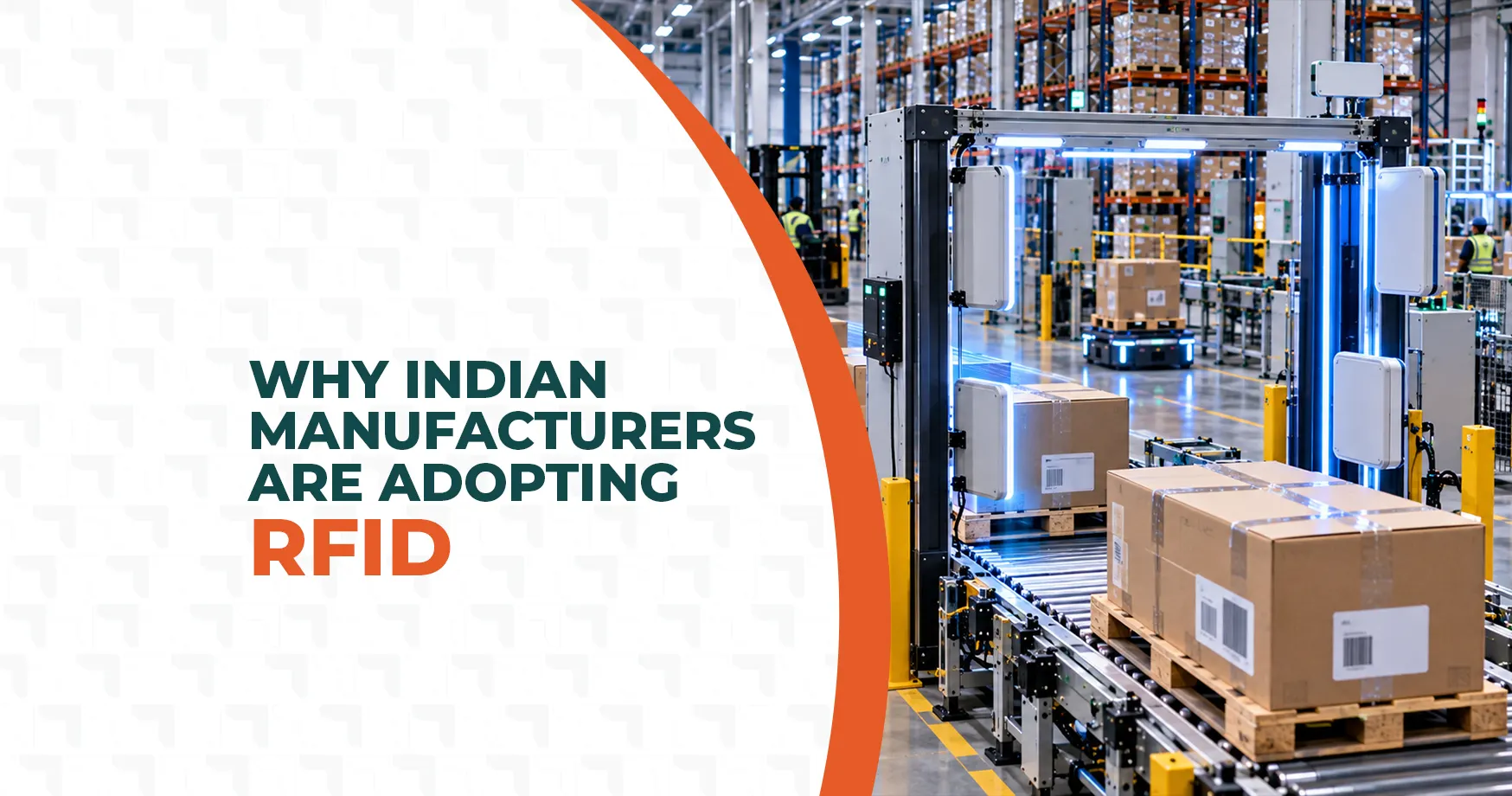
In large warehouses and logistics hubs, RFID portals installed at dock doors automatically capture pallet arrivals, dispatch exits, and cross docking transfers. This supports gate entry logging, shipment verification, and dock to stock automation without requiring handheld scanning.
2. Production tracking
Manufacturing plants use RFID to monitor work in progress across assembly stations, line feeding points, and quality inspection stages. Tagged components are detected automatically as they move, enabling production traceability, batch visibility, and process tracking.
3. Yard management
RFID helps track returnable transport items such as pallets, bins, and containers. Readers placed at yard entry and exit points record container movement, improving asset utilization tracking and container turnaround monitoring.
4. Asset tracking
Hospitals and industrial facilities use RFID to track mobile assets such as diagnostic devices, toolkits, and handling equipment. RFID supports equipment availability tracking, maintenance monitoring, and asset utilization visibility.
5. Cold chain
Pharmaceutical distributors and cold storage operators use RFID to track pallet movement, batch transfers, and shipment handling across controlled environments, supporting compliance tracking and shipment validation.
6. Retail inventory
Retail chains use RFID for cycle counting, shelf replenishment tracking, and stock reconciliation. RFID helps detect stock movement between stockroom and shop floor without manual stock scanning.
Industries Where Barcode is Better
Barcode technology remains ideal in processes where scanning acts as a confirmation step and where controlled, event based identification is sufficient.
1. POS billing
Retail stores use barcode scanners for point of sale billing, SKU identification, and transaction capture. Barcode scanning ensures billing accuracy and supports price lookup during checkout.
2. Order picking
Warehouses rely on barcode scanning during picking, packing, and dispatch workflows. Staff scan items to confirm pick accuracy, packing validation, and shipment preparation.
3. Shipment tracking
Courier and logistics companies use barcode labels for shipment booking, hub scanning, route transfer logging, and proof of delivery capture. Barcode supports parcel lifecycle tracking across multiple transit points.
4. Ticketing systems
Barcode based ticketing is widely used in events, cinemas, airports, and public transport. Ticket scanning supports entry validation, boarding control, attendee verification, and access management.
5. Library systems
Libraries use barcode scanning for circulation management, including book issue, return processing, and catalog tracking.
6. Packaging lines
Manufacturers use barcode labels for batch coding, carton identification, and shipment labeling. Barcode scanning supports batch traceability, dispatch confirmation, and compliance documentation.
Hybrid Approach: Combining Both Technologies
Some businesses find real value in combining both RFID and barcode systems rather than choosing just one. For example, barcodes can be used for scanning individual products at checkout or during audits, while RFID can handle faster, bulk-level tracking at the pallet or container level. This hybrid approach helps companies balance cost, speed, and accuracy by using each technology where it performs best.
How to Choose Between RFID and Barcode
Choosing between RFID and barcode technologies isn’t about which is better overall, it’s about which technology works best in your industry. Here’s a balanced breakdown to help you decide:
- Budget Constraints: Barcodes are cost-effective to implement and maintain, making them ideal for businesses with tight budgets or simpler tracking needs. RFID systems typically involve higher upfront costs but may offer long-term savings through automation and efficiency, especially in high-volume environments.
- Operational Environment: RFID works well in settings where items may be exposed to dust, moisture, or rough handling, as it doesn’t require direct visibility to scan. Barcodes perform best in clean, controlled environments like retail industry, pharmacies, and small warehouses where scanning is straightforward.
- Data Requirements: If you only need to store basic item information like product codes or prices, barcodes are more than sufficient. RFID can store more complex or dynamic data, making it better suited for detailed tracking in manufacturing, logistics, or cold chain operations.
- Volume of Items: For high-throughput operations where multiple items need to be scanned quickly, RFID offers speed and efficiency without needing line-of-sight. However, if your operations are more manual or item-specific, barcodes remain accurate, easy to use, and cost-efficient.
- Security Needs: RFID provides added security options like encryption and tamper detection, which can be important for sensitive or regulated industries. That said, for general tracking purposes, barcodes still deliver reliable and secure data when properly managed.
- Integration Capabilities: Barcodes integrate easily with most point-of-sale (POS), ERP, and inventory systems with minimal customization. RFID integration may require more planning and technical support but allows for more advanced data automation when needed.
Conclusion
Businesses looking to improve inventory control and operational efficiency must comprehend the distinctions between RFID and barcode technologies. RFID is appropriate for complex and high-volume environments because it provides advanced capabilities like simultaneous scanning and increased data storage. Barcodes, with their simplicity and cost-effectiveness, remain a viable option for many businesses. In the end, the decision between barcode and RFID should be based on your long-term strategic objectives, budget, and unique operational needs.