
AI in Supply Chain Management
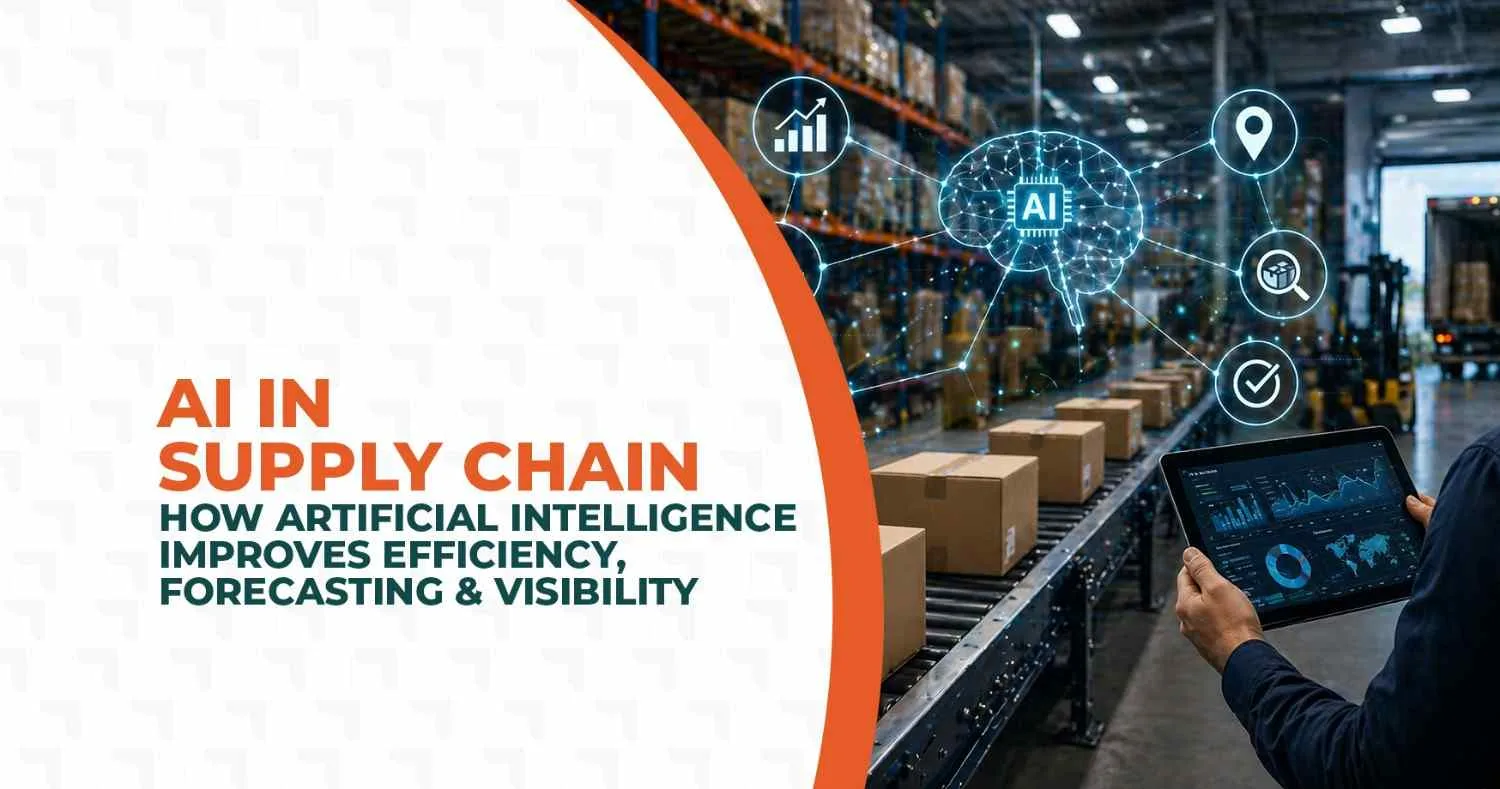
Artificial Intelligence (AI) has rapidly evolved into one of the most transformative technologies reshaping supply chain operations globally. From predictive demand planning to smart logistics optimization, AI is empowering organizations to achieve unprecedented levels of efficiency, visibility, and agility in their supply chain management processes.
Overview: The Role of AI in Modern Supply Chain Management
AI in supply chain management refers to the application of machine learning algorithms, predictive analytics, and intelligent automation to enhance supply chain functions such as demand forecasting, inventory optimization, logistics routing, and procurement.
Through real-time analytics and pattern recognition, AI allows organizations to detect disruptions in advance and optimize decision-making for every link in the supply chain.
Key Use Cases of AI in Supply Chain Management
AI’s versatility enables its integration across every stage of the supply chain lifecycle. Common use cases include:
- Demand Forecasting and Planning: AI-powered predictive models analyze historical sales, market trends, and external factors to improve forecast accuracy.
- Inventory Optimization: AI can reduce excess inventory and inventory holdings while maintaining service levels.
- Warehouse Operations and Labor Management: AI-driven warehouse optimization can enhance labor utilization and warehouse space efficiency.
- Transportation and Logistics: AI can dynamically optimize routing to reduce logistics.
- Supplier Performance and Risk Management: Predictive analytics can improve supplier performance and mitigate supply chain risks.
- Predictive Maintenance: AI can reduce equipment downtime through predictive maintenance models that identify potential machine failures before they occur.
How AI Works in Supply Chain Management
AI in supply chain management functions primarily through three operational modes: assistance, automation, and adaptability.
- Assistance: AI supports human decision-making by providing guided insights—such as recommending optimal order quantities or identifying at-risk suppliers.
- Automation: Repetitive processes like procurement or invoice validation are handled autonomously using robotic process automation (RPA).
- Adaptive Learning: Through machine learning algorithms, AI systems learn from historical and real-time data, continually refining forecasts and operational recommendations without manual intervention.
This continuous learning loop allows AI systems to refine operations dynamically and enhance supply chain resilience.
Real-World Examples of AI in Supply Chain
- Manufacturing: Leading manufacturers integrate AI to optimize production schedules, improve dynamic slotting in warehouses, and reduce product backlogs by predicting demand spikes.
- Logistics and Distribution: AI-driven yard and transport management systems automate truck check-ins and route assignments, reducing lead times and resource use.
- Warehousing: AI automates operational processes, increasing efficiency, reducing manual errors, and freeing staff to focus on higher‑value activities.
Benefits of AI in Supply Chain Management
AI delivers measurable business value across efficiency, cost optimization, and sustainability dimensions. Major benefits include:
- Enhanced Visibility: AI improves end-to-end transparency enabling real-time insights across the supply network.
- Cost Reduction: Companies adopting AI report reductions in supply chain operating costs and higher profitability.
- Operational Agility: AI enhances supply chain agility and responsiveness, enabling quicker decisions in volatile markets.
- Improved Sustainability: Optimized resource utilization helps organizations enhance sustainability performance.
- Increased On-Time Deliveries: AI-based analytics can improve delivery timeliness.
Challenges in AI Adoption for Supply Chain Management
While AI offers transformative potential, organizations face several hurdles in implementation:
- High Initial Investment: Deploying AI technologies, particularly in transportation and yard management, requires significant upfront costs.
- Data Quality and Integration: Poor historical tracking or inconsistent data collection can limit AI effectiveness, particularly in predictive analytics and yard optimization.
- Complexity of Integration: Aligning AI systems with legacy ERP or WMS infrastructure demands careful planning and technical expertise.
- Data Privacy and Security Concerns: As AI systems collect sensitive data, including shipment details and personal identifiers, ensuring compliance with privacy standards is vital.
- Legacy systems and fragmented workflows: Many supply chains run planning, warehousing, transport, and procurement on separate systems that do not update each other in real time. AI in supply chain management cannot optimize across gaps it cannot see. When inventory updates sit in one system and shipment status in another, AI decisions become partial. Integration matters because AI requires a continuous flow of signals across workflows, not isolated snapshots from individual functions.
Preparing for AI in Supply Chain Solutions
To begin the AI transformation journey, organizations should:
- Assess Current Supply Chain Health: Conduct a complete audit of operational pain points, identifying where AI-driven optimization could deliver maximum ROI.
- Assess Data Readiness at the Source: When data is batch uploaded or adjusted later, models learn inaccurate lead times and consumption patterns. Readiness improves when operational events are captured automatically and consistently at source.
- Define Business KPIs First: Define outcomes before selecting AI use cases. When KPIs are clear, AI in supply chain management can be evaluated against business performance rather than algorithm output.
- Engage Cross-Functional Stakeholders: Educate teams on AI capabilities and involve them in shaping pilot programs to build organizational trust in AI outcomes.
- Start Small, Scale Fast: Begin with focused high-impact use cases such as forecasting, logistics optimization, or predictive maintenance, and then expand across the supply chain ecosystem.
With a measured yet ambitious approach, businesses can move from reactive supply chain planning to proactive, intelligent operations powered by real-time data and autonomous decision-making.
AI in Supply Chain – Final Takeaway
- AI in supply chain management shifts decision making from periodic review to continuous evaluation. Planning, inventory, and logistics decisions are updated based on changing conditions rather than fixed cycles.
- Artificial intelligence in supply chain connects decisions that were earlier handled in isolation. Demand forecasting, inventory positioning, and logistics planning are evaluated together, reducing hidden tradeoffs created by siloed decision making.
- AI improves risk handling by standardizing how disruptions are interpreted. Instead of relying only on individual judgment, organizations use AI to identify recurring delay and shortage patterns and apply consistent responses across locations.
- Over time, AI in supply chain becomes part of how the organization operates. Decisions rely less on static rules and manual escalation, and more on continuously updated signals interpreted within defined governance limits.