

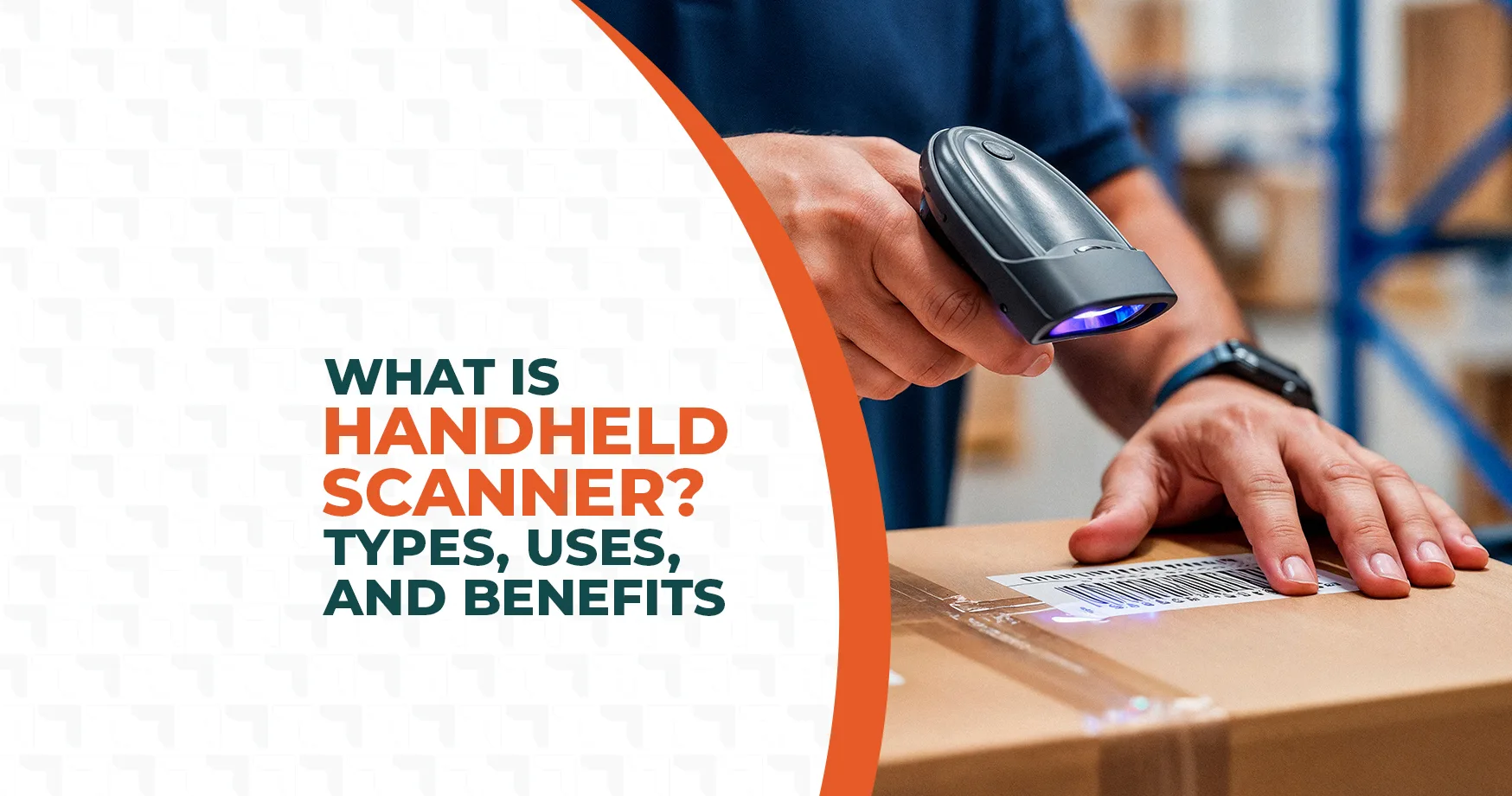
Handheld Scanners: How to Choose the Right Device for Faster, Cleaner Operations
Barcode capture has not gone away. It sits at the center of daily work in warehouses, plants, stores, and distribution points.
Manual entry slows teams down. It also creates avoidable errors. A handheld scanner removes that friction and turns a quick scan into a usable data point.
That matters because modern operations depend on fast, accurate information. Handheld scanners help capture that information at the point of activity, so records stay current and work keeps moving.
What Are Handheld Scanners?
Handheld scanners are devices used to read barcodes quickly and accurately. They help capture data from labels, products, cartons, and assets without manual typing.
You will often see them used for 1D and 2D barcode scanning. A 1D code is the classic linear barcode, while a 2D code stores more information in less space. Industry GS1 “sunrise” initiatives are encouraging adoption of GS1 2D formats (such as GS1 DataMatrix and GS1 QR), so manufacturers and retailers can carry richer product data and meet planned implementation timelines.
Some scanners use a wired connection. Others use wireless connectivity. Both can fit different work environments, depending on mobility needs and device setup.
General-purpose and rugged models
Handheld scanners come in two broad types:
- General-purpose scanners, for lighter or more controlled environments
- Rugged scanners, for tougher conditions and heavier daily use
The right choice depends on workload, scanning conditions, and how often the device moves between people and tasks.
Where Are Handheld Scanners Used Most?
Handheld scanners fit many industries. Their value comes from simple, repeated use.
Manufacturing
In manufacturing, scanners help capture material, part, and product data while work moves across the floor. They can support manufacturing traceability by helping teams identify items at the right point in the process.
They also fit well with a mes system in manufacturing, where scan events can support shop-floor visibility and process control.
Warehousing and distribution
Warehouses depend on fast barcode capture. Scanners support receiving, putaway, picking, counting, and dispatch tasks.
They are also common in wms systems, where scanning helps connect physical movement with system records. That improves control over inventory and location data.
Logistics, retail, and healthcare
Logistics teams use handheld scanners for movement, tracking, and verification. Retail teams use them for stock handling and shelf activity.
Healthcare and other high-volume environments also rely on barcode capture for speed and accuracy. The exact workflow differs, but the need stays the same.
What Should You Consider Before Choosing a Handheld Scanner?
A scanner should match the barcode, the environment, and the workload. Price alone does not tell the full story.
Barcode type and quality
Start with the barcode itself. Some operations scan clear, well-printed labels. Others deal with faded, damaged, or poorly placed codes.
1D and 2D needs are not the same. The scanner should match the code type used most often.
Scanning range and speed
Some tasks need close-range scanning. Others need a wider working distance. Speed also matters when volumes are high.
A slow scanner can create delays even if it looks suitable on paper.
Environment and durability
A clean counter and a busy warehouse do not demand the same device. Heat, dust, drops, and constant handling all affect performance.
That is where rugged scanners matter. They are better suited to difficult conditions and repeated daily use.
Ergonomics, battery life, and compatibility
The scanner should feel comfortable in hand. Long shifts expose poor ergonomics quickly.
Battery life matters for mobile use. So does compatibility with business applications and device management processes. A scanner that does not fit the system can create more work than it removes.
Rugged or General-Purpose: Which One Fits Better?
The right answer depends on where the scanner lives and how hard it works.
Rugged scanners make sense in demanding environments. They suit warehouses, manufacturing floors, logistics hubs, and other locations where drops, dirt, and constant movement are part of the job.
General-purpose scanners can work well in lighter environments. They may suit controlled areas with lower scan volume and less physical stress.
Total cost of ownership matters here. A lower-priced scanner can become expensive if it fails early or disrupts work. A durable device may cost more upfront, but it can reduce replacement and downtime pressure.
How Do Handheld Scanners Connect to Business Systems?
A scanner is more useful when it connects to the systems that run operations.
That includes WMS, MES, ERP, and other business applications. The scan itself is only the first step. The real value comes when that scan triggers an action, updates a record, or supports traceability.
From barcode capture to system action
A good setup connects barcode capture to the next process step. That may mean updating inventory, confirming movement, or recording a production event.
This link between physical work and digital records supports data visibility. It also helps teams respond faster when something changes on the floor.
Why real-time data matters
Real-time capture reduces lag. It keeps records closer to what is actually happening.
That supports traceability, inventory control, and better operational discipline. It also reduces the chance that teams work from outdated information.
A scanner should not only read a code. It should help move the process forward.
What Mistakes Do Buyers Make Most Often?
The wrong scanner choice often starts with a narrow view of the problem.
One common mistake is choosing based only on price. Another is ignoring barcode quality. If labels are damaged, low contrast, or poorly placed, even a capable scanner may struggle.
Connectivity planning also matters. Wireless devices need reliable coverage and practical charging workflows. Poor planning creates interruptions.
Ergonomics gets overlooked too. A scanner that feels tiring in hand can slow work over time. Compatibility also matters. If the device does not fit the application or system setup, adoption becomes harder.
Common mistakes to avoid
- Buying on price alone
- Ignoring barcode quality and scan conditions
- Neglecting connectivity planning
- Overlooking ergonomics
- Skipping compatibility checks
- Underestimating device management needs
How Do You Measure the Impact of Handheld Scanning?
The value of scanning shows up in daily performance.
Productivity is one measure. Faster scans can reduce time spent on repetitive capture tasks. Data accuracy is another. Better scans reduce manual entry and the errors that come with it.
Inventory accuracy also improves when physical movement and system records stay aligned. Processing time can drop when scans happen quickly and cleanly at the point of work.
Device downtime matters too. A scanner that fails often creates hidden costs. It slows people down and can interrupt multiple workflows.
Practical measures to track
- Productivity
- Data accuracy
- Inventory accuracy
- Processing time
- Error reduction
- Device downtime
- Total cost of ownership
Handheld Scanner Selection Checklist
A simple checklist helps keep the choice focused.
- Barcode requirements: 1D, 2D, code quality, and label condition
- Scan volume: light use or high-frequency use
- Environment: controlled area, warehouse, plant, or field use
- Connectivity: wired or wireless fit
- Integration: WMS, MES, ERP, and other applications
- Durability: general-purpose or rugged need
- Battery and maintenance: runtime, charging, and support needs
This is where the workflow matters most. The best scanner is the one your operation can use consistently.
Conclusion: Choosing a Scanner That Fits the Workflow
Handheld scanners remain a core part of digital operations because they connect physical work to digital records.
They help improve barcode capture, speed, traceability, and data quality. They also support a wide range of environments, from manufacturing and warehousing to logistics, retail, and healthcare.
The right choice balances performance, usability, integration, and long-term value. That is the point. A scanner should fit the workflow, not force the workflow to fit the scanner.
Looking for handheld scanning solutions that fit your operation?
Explore how BCI supports barcode capture across warehouse, manufacturing, and supply chain workflows.
Share this page
Warehouse Management in Pharmaceutical Industry: A Practical Guide for Better Control
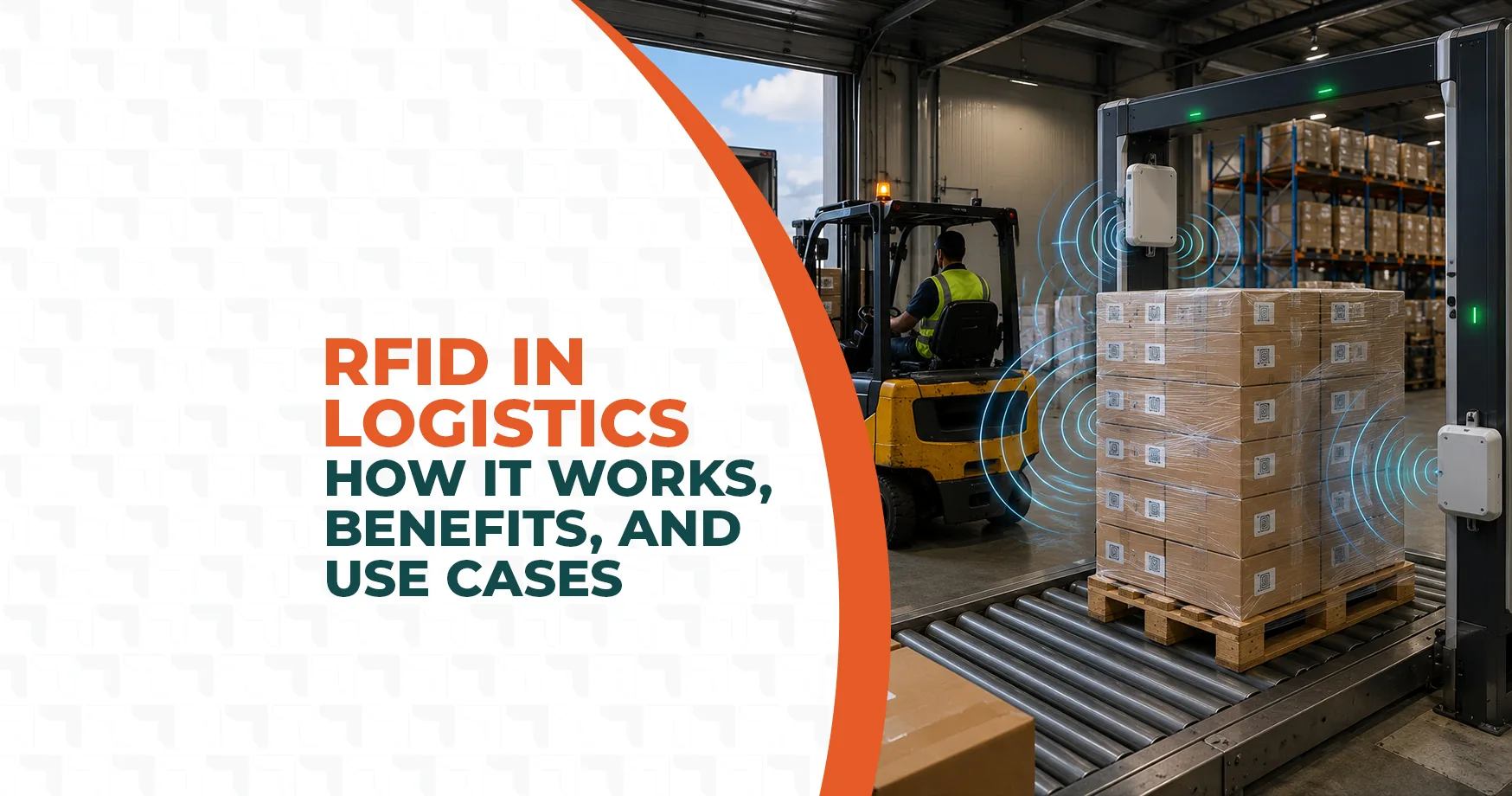
RFID in Logistics: Why It Matters for Manufacturing Operations

India Has Built a Defence Manufacturing Industry. Now It Has to Prove What It Builds