
Digital product passport for EV batteries: what it stores and how to prepare
EV battery packs do not stay simple for long. They move through sourcing, assembly, testing, shipping, service, and eventually recycling. Each step adds data. Each handoff adds risk.
For decision makers, the real question is not whether battery data matters. It is whether your operations can keep it clear, complete, and ready when customers ask. A digital product passport helps organize that information across the product life cycle. It also creates pressure on manufacturing teams to connect traceability, execution, and warehouse control more tightly.
That is where BCI fits in. BCI provides supply chain and manufacturing solutions, including Track & Trace, and automation technologies. Those solution areas matter when you want product data to stay usable, not fragmented.
What is a digital product passport for EV batteries?
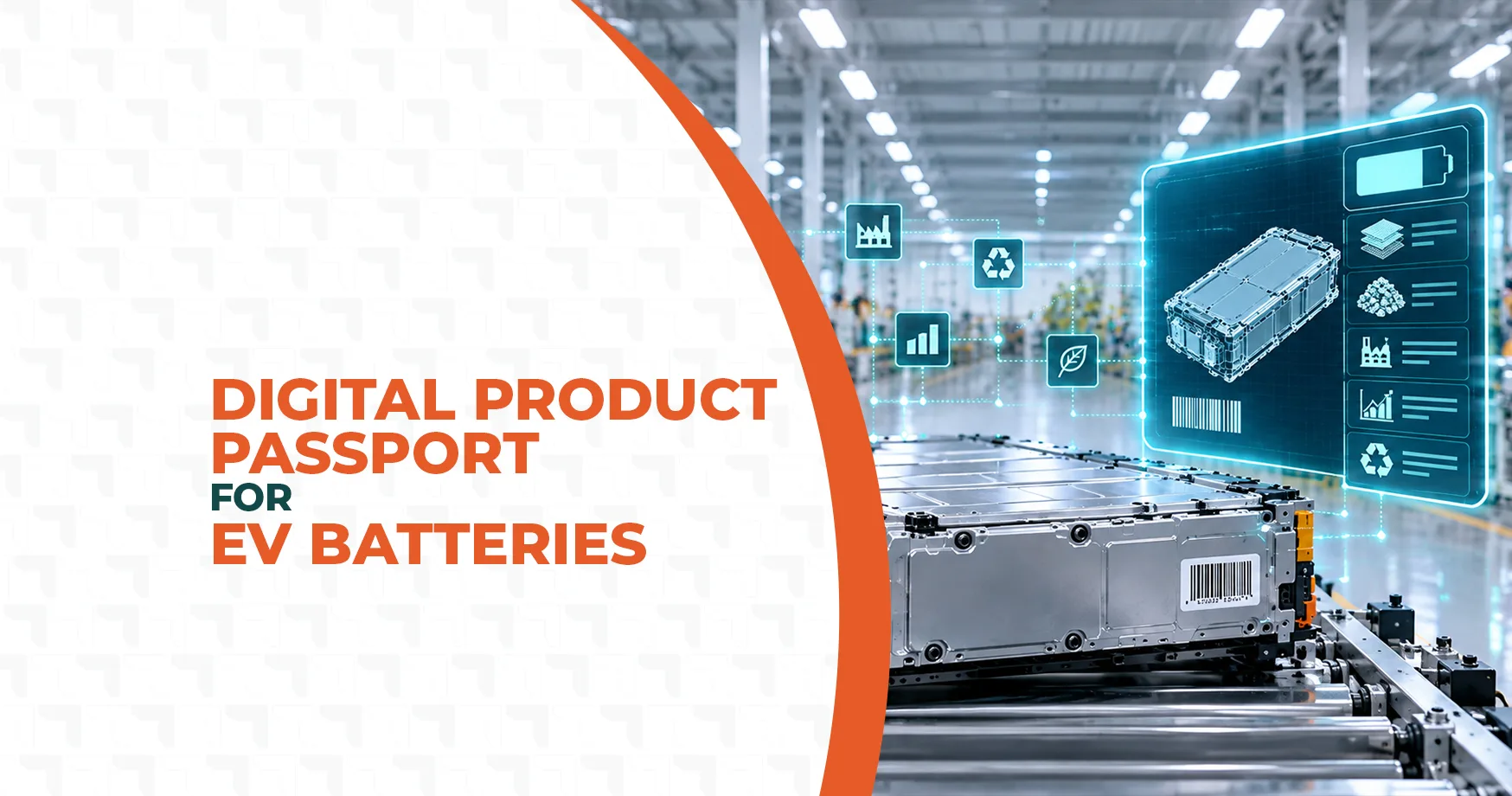
A digital product passport is a structured record for a product. For EV batteries, it helps store and share key information across the battery life cycle. The idea is simple. The battery needs an identity that follows it.
That identity can support visibility into what the product is, where it has been, and how it has moved. For battery programs, that matters because the product is complex and the supply chain is wide. It also matters because customers and regulators are asking for better product-level information.
The important point for leaders is this. A passport is only useful if your internal systems can capture reliable data at the source. If teams record information late, use disconnected tools, or miss handoff details, the passport quickly loses value.
Why this matters operationally
A digital product passport is not just a compliance exercise. It becomes an operations issue. Teams need to collect data during manufacturing, movement, and storage. They also need to keep that data consistent when the product changes location or status.
Key points:
- The battery needs a clear identity across its life cycle.
- Data must stay connected across production and movement.
- Traceability only works when records stay current.
What information does a battery passport store?
For EV batteries, the passport can store information tied to the product’s identity and journey. The exact data set depends on the business and reporting needs, but the value comes from connecting product information with operational records.
This is where manufacturing and supply chain teams often feel the pressure first. The passport is not a single system. It depends on data from multiple steps. That can include production events, warehouse movement, labeling, and traceability records.
What teams need to keep an eye on
Decision makers should focus on the data flow, not just the final report. If the data exists only in separate systems, the passport becomes hard to trust. If the data is captured as the product moves, it becomes far more usable.
A stronger operating model usually depends on these areas:
- Product identity at the point of creation
- Movement records across internal operations
- Storage and dispatch data from warehouses
- Traceability across the full chain
A passport only works when the underlying operations do.
How do BCI solutions support passport readiness?
BCI supports supply chain and manufacturing operations through end-to-end Track & Trace Solution, and automation technologies. That mix is important because passport readiness is not one task. It is a chain of tasks.
Track & Trace helps follow items as they move through the supply chain. Automation technologies help reduce the manual effort that can slow down data collection.
That combination is relevant for EV battery programs because battery data needs to stay connected from production to dispatch. Decision makers do not need more isolated tools. They need connected operational control.
Where the data gets lost
Data gaps usually appear at handoffs. A batch leaves production. A label changes. A warehouse team receives stock. A shipment moves out. If each team records data differently, the passport becomes incomplete.
BCI’s solutions are relevant because they support the operational points where data is created. That makes preparation more practical. It also helps teams move away from manual reconstruction later, which is where many passport efforts lose time.
How should companies prepare now?
Preparation starts with inventorying the data you already have. Then teams need to map where that data is created, who owns it, and which system records it. That map usually reveals gaps quickly.
From there, leaders should focus on the operational chain:
- Capture product data at the right stage.
- Keep warehouse movements visible.
- Connect traceability across internal and external flows.
- Reduce avoidable manual entry.
- Align manufacturing and supply chain teams around one data path.
This is where the BCI lens becomes useful. BCI does not treat manufacturing, warehousing, traceability, and automation as separate worlds. The solution set spans all of them. That makes it easier to think in terms of a connected operational model.
What the preparation phase should avoid
Do not start with the final report format. Start with the source of truth. Do not wait for a tracing problem before fixing internal movement records. And do not assume one team can maintain passport readiness alone.
Preparation works best when operations, warehousing, and manufacturing teams coordinate early.
What does good readiness look like in practice?
Good readiness means teams can find product information without chasing records across departments. It also means operations can produce cleaner data as the battery moves through the business.
For decision makers, the signs are familiar:
- Faster access to product-level information
- Less manual reconciliation
- Better coordination between warehouse and production teams
- Stronger traceability across the movement chain
BCI’s role is to help make those control points more manageable through Track & Trace, and automation technologies. That creates a stronger base for passport readiness.
If your data is clean at the source, the passport becomes an asset. If not, it becomes another reporting burden.
Conclusion: What to do next
Digital product passports for EV batteries are about more than documentation. They are about creating a reliable product identity across the full journey. That journey touches manufacturing, warehouse control, traceability, and automation.
BCI helps companies build that foundation with Track & Trace, and automation technologies. For leaders, the next step is clear. Review where battery data is created today, where it breaks, and which operational systems need to work together.
If your team is preparing for digital product passport readiness, start with the data flow. Then connect the systems that hold it.