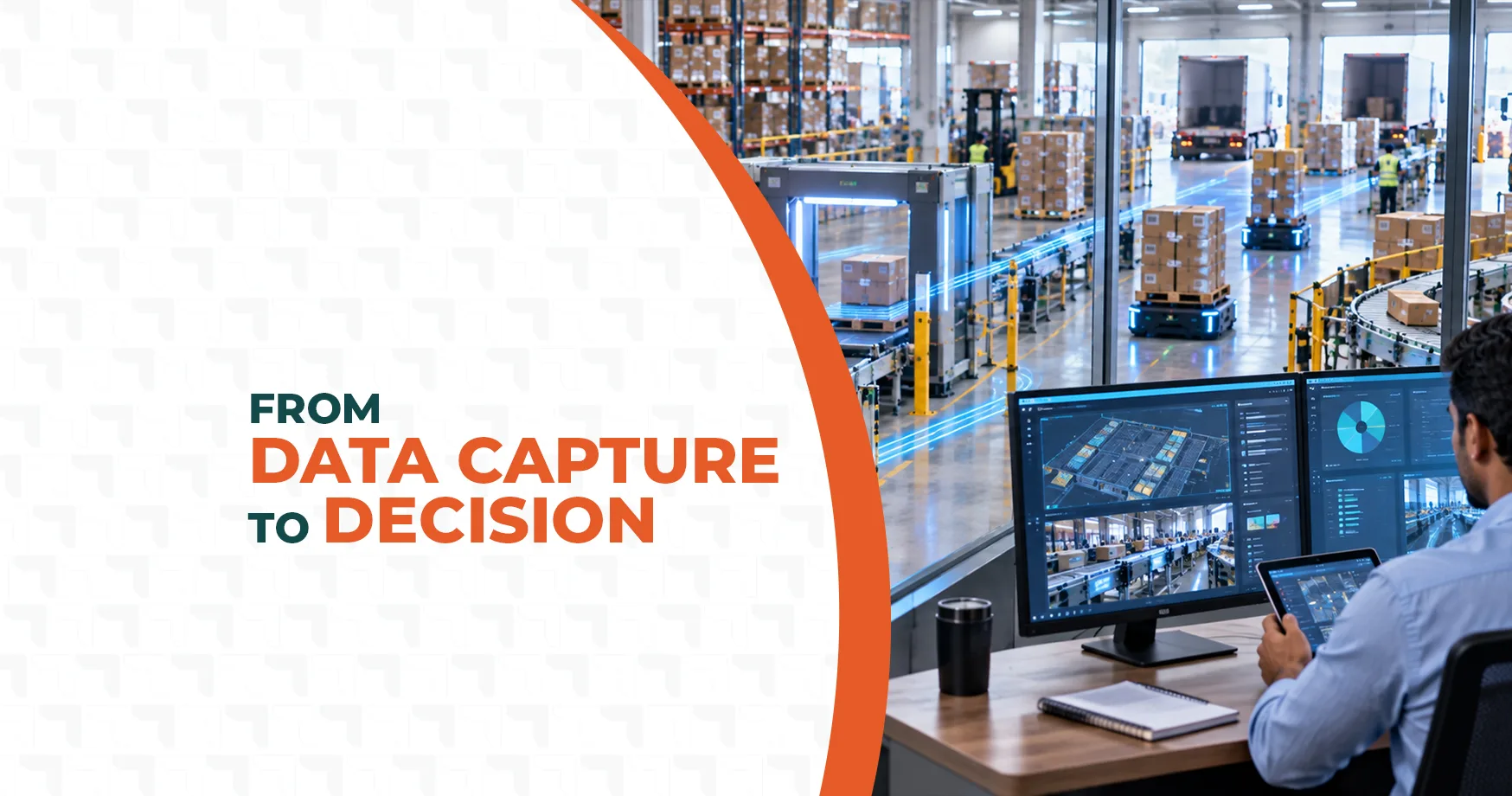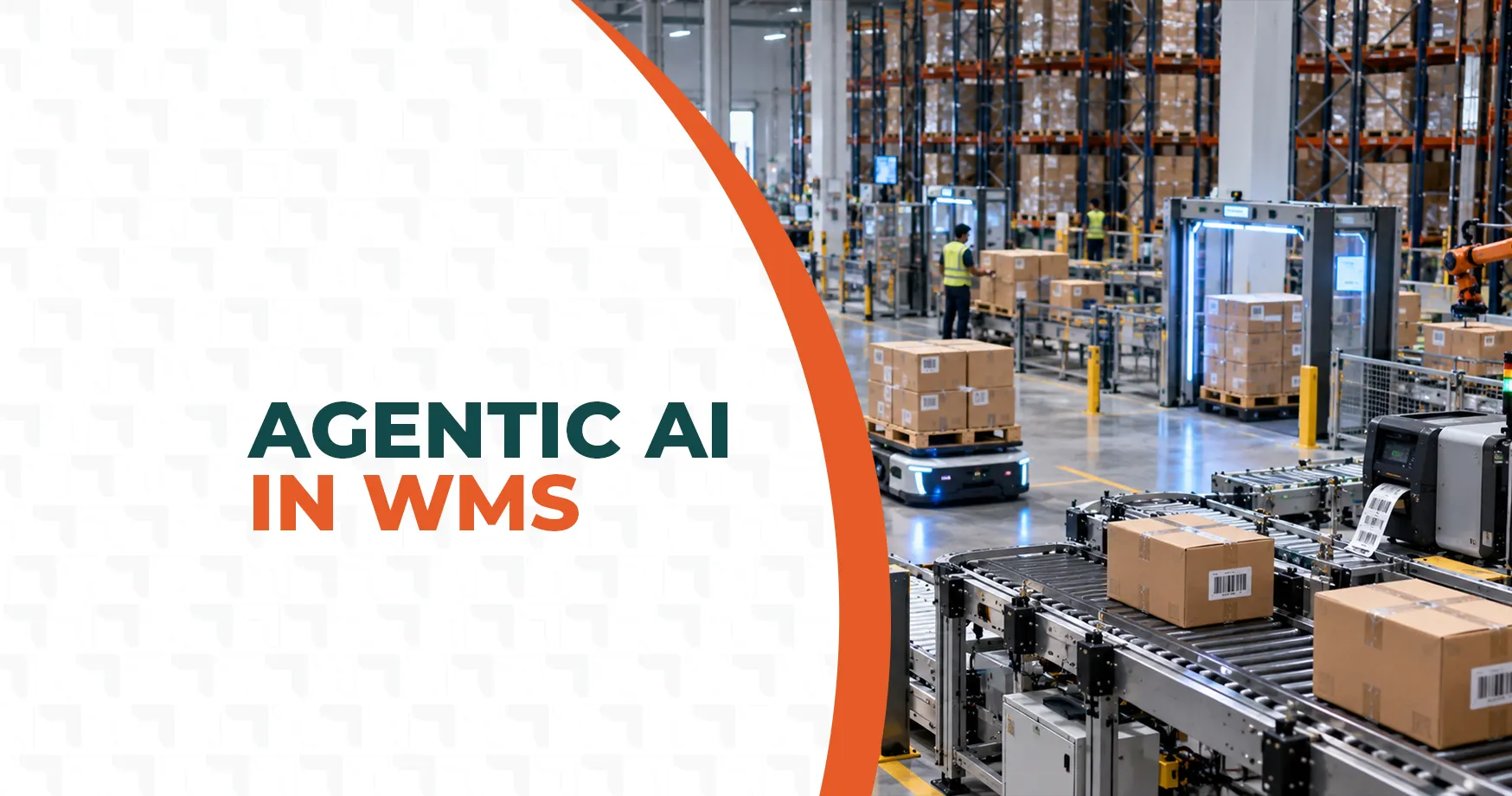


The most expensive delay in your warehouse is a decision
Why BCI Believes Decision Velocity Will Define Modern Operations
Warehouses Have Been Digitized. Decision-Making Hasn’t.
For over three decades, Bar Code India (BCI) has worked with enterprises to strengthen operational infrastructure across manufacturing and supply chain environments.
From advanced barcoding and RFID to connected warehouse management systems, the industry has made enormous progress in digitizing operations.
For decades, warehouse transformation focused on building stronger operational infrastructure.
Advanced barcoding. RFID. High-speed data capture. Warehouse management systems integrated with ERP environments.
Today, warehouse operations generate enormous volumes of operational data across every movement, transaction, and workflow.
Every pick. Every replenishment. Every inventory adjustment. Every operational exception.
Modern warehouses are no longer data-poor.
But despite this, many organizations still operate reactively.
Because data capture alone does not improve execution.
The Gap Between Data and Decisions
Most warehouse management systems act as systems of record.
They capture operational truth. They document workflows. They maintain visibility.
What they do not consistently do is convert operational signals into timely, actionable decisions.
As a result, many operational issues are still reviewed after performance has already been impacted.
Insights remain buried inside dashboards. Decisions happen in review meetings. Operational responses arrive too late.
The warehouse has been digitized.
But operational intelligence often remains fragmented.
Decision Latency Is Becoming a Strategic Risk
The most expensive delay inside modern warehouse operations is increasingly not physical movement.
It is delayed decision-making.
When operational signals are not interpreted early enough:
- inventory imbalances grow
- service levels decline
- operational costs rise
- labor productivity suffers
- throughput becomes inconsistent
And because these issues accumulate gradually, they are often treated as operational variability rather than systemic decision delays.
Why AI Is Becoming Critical in Warehouse Operations
This is exactly where BCI NAVI is focused.
Artificial intelligence is no longer a future concept in supply chain operations.
It is increasingly being used to help organizations:
- interpret operational patterns
- identify risks earlier
- prioritize operational actions
- improve responsiveness across workflows
The strategic value of AI is not simply automation.
It is operational interpretation.
As warehouse environments become faster, more connected, and more complex, organizations need systems capable of continuously understanding operational context and supporting decisions in real time.
The Next Competitive Advantage
At BCI, we believe the next phase of warehouse leadership will not be defined only by additional automation or more reporting layers.
It will be defined by how effectively organizations convert operational data into operational decisions.
The questions supply chain leaders increasingly need to ask are:
- Is operational data structured for decision-making?
- Can systems support real-time operational action?
- Is intelligence embedded close enough to execution?
Because the gap between data generated and decisions executed remains one of the largest untapped opportunities in warehouse operations today.
Final Thought
Warehouse systems were built to generate data and maintain operational records.
The next evolution of warehouse operations will focus on something far more important:
Turning operational intelligence into action — at the moment it matters most.