
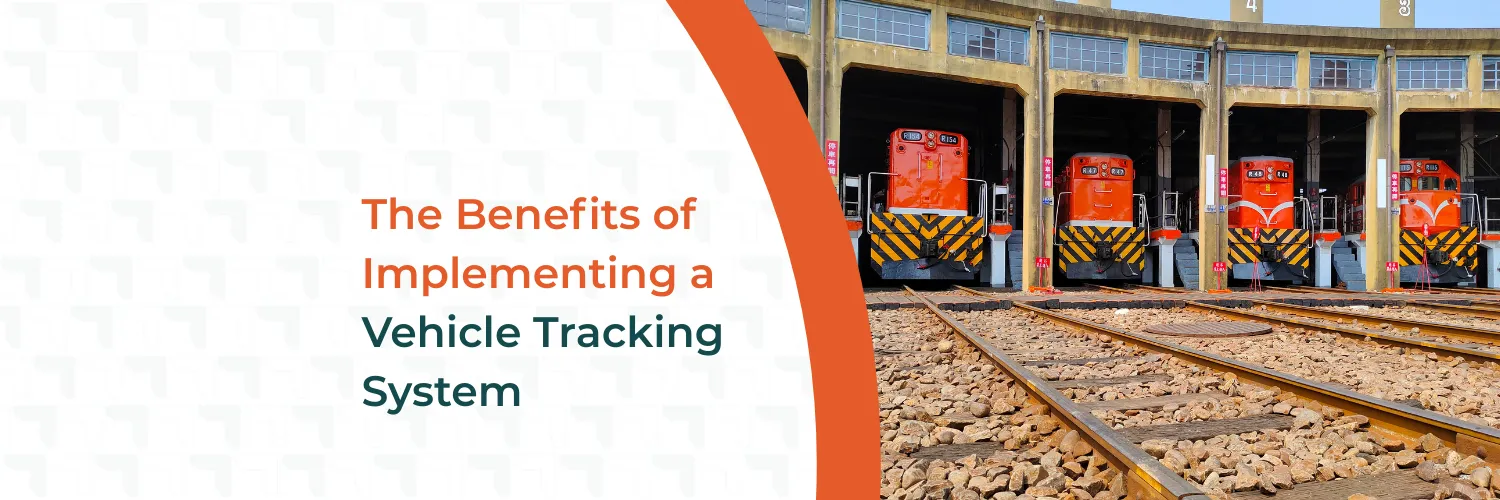
The Benefits of Implementing a Vehicle Tracking System
Logistics and transportation operations have grown more complex with higher shipment volumes, tighter delivery windows, and increased pressure on cost control. Fleet managers must manage vehicle movement, driver safety, fuel usage, and customer communication at the same time. In this environment, relying on manual tracking or delayed updates creates blind spots that affect daily performance. The benefits of vehicle tracking system adoption become clear when businesses need consistent visibility and control across their fleet operations.
What Vehicle Tracking Solves on the Ground
Vehicle tracking addresses day to day operational issues that slow down logistics performance and increase costs. These issues often remain hidden until delays or errors escalate.
1. Operational Blind Spots
Lack of real time vehicle visibility forces teams to make decisions based on assumptions. Vehicles stay idle longer than required and resources remain underutilized, reducing overall efficiency.
2. Congestion and Waiting Time
Inbound trucks queue at facility gates when arrivals are unmanaged. This leads to fuel waste, longer waiting times, and missed schedules across the supply chain.
3. Manual Coordination Overload
Heavy dependence on supervision and paperwork increases errors and slows response time. Manual tracking makes it difficult to act quickly when disruptions occur
How Does a Vehicle Tracking System Improve Efficiency and Productivity?
Efficiency improves when vehicle movement becomes predictable and measurable instead of estimated. Tracking systems provide continuous visibility that allows better planning and coordination.
1. Vehicle turnaround time and yard flow
Automatic capture of entry, loading, and exit times creates clear turnaround metrics. Planners can identify delays, optimize dock usage, and increase the number of trips completed per vehicle.
2. Dispatch accuracy and load validation
Tracking enables validation of vehicles and materials at multiple stages. Teams ensure that the correct vehicle carries the right load to the intended destination, reducing wrong dispatches and re handling.
3. Predictable scheduling and throughput
With accurate movement data, dispatch teams assign jobs based on real availability. Routes improve, idle time reduces, and daily output increases using the same resources.
What Cost and Risk Reductions Come from Vehicle Tracking?
Cost control improves when repeated inefficiencies are identified and corrected using reliable data.
1. Fuel and maintenance cost control
Tracking highlights speeding, excessive idling, and inefficient routing that increase fuel usage. Accurate mileage data supports timely maintenance and reduces breakdown related downtime.
2. Reduced supervision and unauthorized use
Live visibility reduces dependency on constant supervision. Unauthorized vehicle usage becomes easier to detect, helping control operational misuse and related expenses.
3. Lower operational and financial risk
Accurate movement records support dispute resolution, proof of service, and risk management. Faster vehicle recovery in case of theft also reduces potential losses.
How Does Vehicle Tracking Improve Safety and Compliance?
Safety and compliance depend on consistent monitoring and reliable records.
1. Driver behavior and safety improvement
Tracking provides insight into driving patterns such as speeding and harsh braking. These insights help improve driver behavior, reduce accident risk, and support safer operations.
2. Audit readiness and digital records
Automatic data capture removes dependency on paper logs. Digital records remain organized, accessible, and ready for audits or internal reviews.
3. Reliable data for decision making
Accurate and validated data supports planning, performance analysis, and continuous improvement across fleet operations.
Why Is Vehicle Tracking a Long Term Advantage for Growing Businesses?
As logistics operations scale, manual systems struggle to maintain control and consistency. Vehicle tracking systems provide a scalable foundation that supports growth without increasing complexity.
Long term business outcomes
- Higher throughput across yards and routes
- Faster vehicle movement with reduced idle time
- Lower operating and supervision costs
- Better customer communication and service reliability
Vehicle tracking enables businesses to operate with confidence today while preparing for future growth, higher volumes, and rising customer expectations.
Vehicle Tracking as a Business Decision
BCI’s Vehicle Tracking System delivers reliable visibility and accurate data across fleet and yard operations. Vehicle movement, waiting time, and route activity are recorded consistently, keeping information valid and usable for daily decision making. Driving behaviour tracking helps control fuel consumption, reduce operational losses, and support safer driving practices. These capabilities allow businesses to manage fleets with fewer assumptions and more control.
Fleet management has moved beyond manual tracking and delayed reporting. Technology now defines how efficiently vehicles are utilized, how costs are controlled, and how risks are reduced. As logistics operations grow in scale and complexity, vehicle tracking systems will continue to support operational discipline and performance. Choosing the right system matters. With BCI, businesses adopt a practical solution built to support efficiency, accuracy, and long term operational stability.
Share this page

India Has Built a Defence Manufacturing Industry. Now It Has to Prove What It Builds
What Is Pharmaceutical Serialization? Definition, Requirements & How It Works
Types of Inventory Control: Systems, Methods, and Technologies for Better Warehouse Visibility