
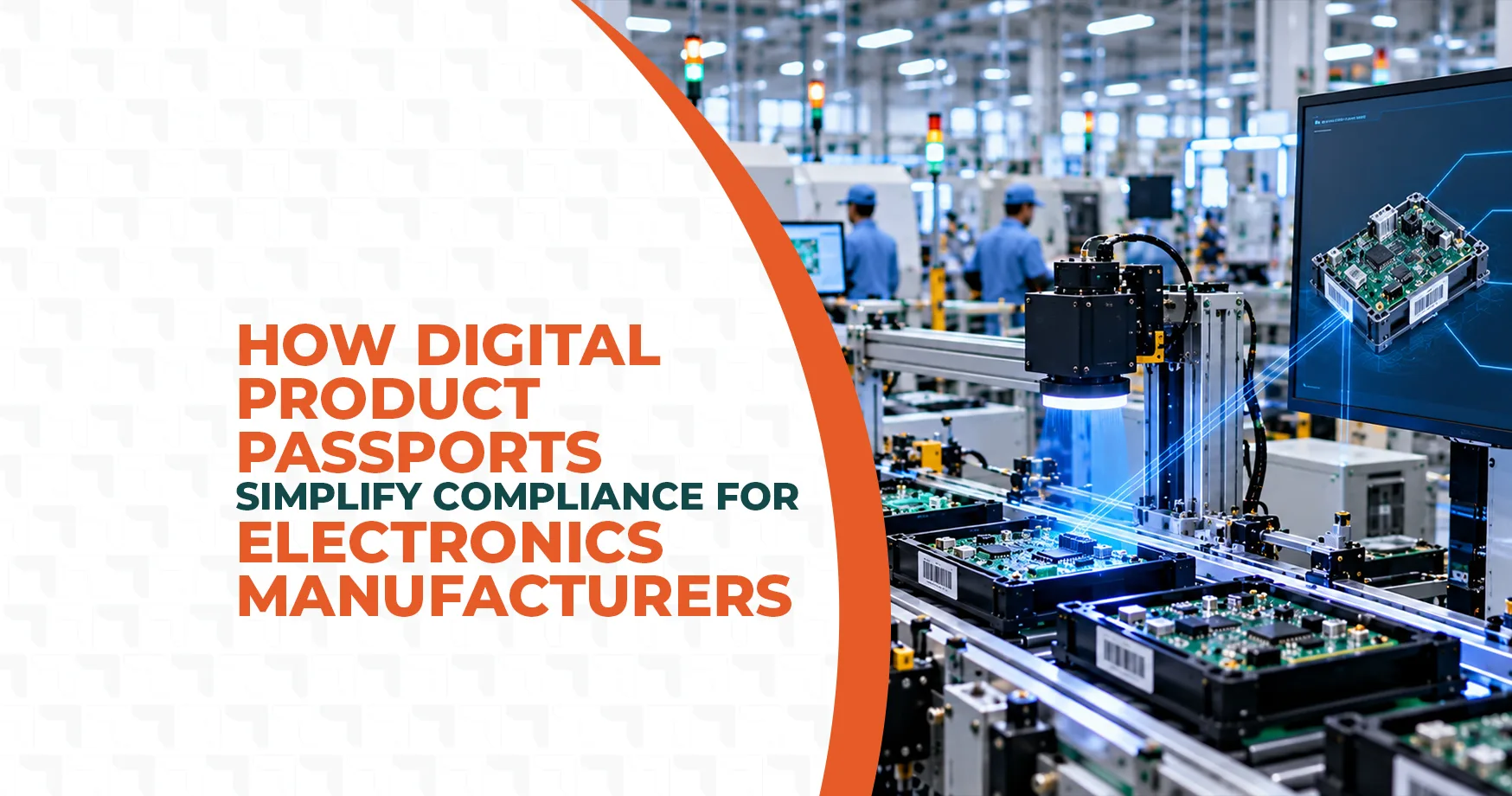
How Digital Product Passports Simplify Compliance for Electronics Manufacturers
Battery products move through many hands. Materials arrive. Components shift. Packs leave the line. That makes identity hard to preserve.
A Digital Product Passport gives each product a clearer identity across its journey. It helps manufacturers connect product data across production, storage, and supply chain movement. For Indian battery manufacturers, that matters because traceability is no longer a back-office task. It sits at the center of control, visibility, and customer confidence.
This article explains what Digital Product Passports are, why they matter, how they apply to battery manufacturing, and where track and trace fits in.
What Is a Digital Product Passport?
A Digital Product Passport is a way to keep product information connected across its life cycle. The idea is simple. If product data stays with the product, it becomes easier to identify, verify, and trace.
That matters because traceability is built step by step. If data is not captured, it is not traceable. A passport model depends on that same principle. It needs consistent data capture across manufacturing, packaging, warehousing, and distribution.
For manufacturers, this means product identity cannot stop at the plant gate. It has to travel with the item. That is what makes the passport concept useful. It turns product information into something operational, not just documented.
Why Is It Relevant for Indian Battery Manufacturers?
Battery manufacturing depends on structured movement. Materials, sub-assemblies, finished packs, and shipments all need clear records. When records break, control breaks with them.
Digital Product Passports matter because they support visibility across every handoff. That is especially useful in a battery environment where inventory moves often and packing details must stay accurate. The more complex the flow, the more valuable the product identity becomes.
This is not only about compliance. It is also about trust. Track and trace systems increase trust across the supply chain and support better audit readiness. For battery manufacturers, that creates a stronger foundation for customer confidence and internal control.
Battery operations also benefit from faster recall handling. When records are complete, teams can trace products more precisely and reduce the impact of a problem. That is a practical reason this topic matters now.
What Does a Digital Product Passport Look Like in Battery Manufacturing?
A battery manufacturer does not need a separate universe of systems. The passport depends on the data already created during operations.
The core idea is to capture product information at every point where it matters. That includes packaging, aggregation, movement, and dispatch. If done well, the product can be traced from unit level to case, carton, and pallet.
This is where track and trace becomes important. It supports end-to-end visibility and helps keep product records connected across the journey. In battery manufacturing, that means less guesswork when goods move between plant, warehouse, and customer.
What Is the Role of Track and Trace?
Track and trace is the operational engine behind the passport. It makes product identity visible at every stage where data is captured.
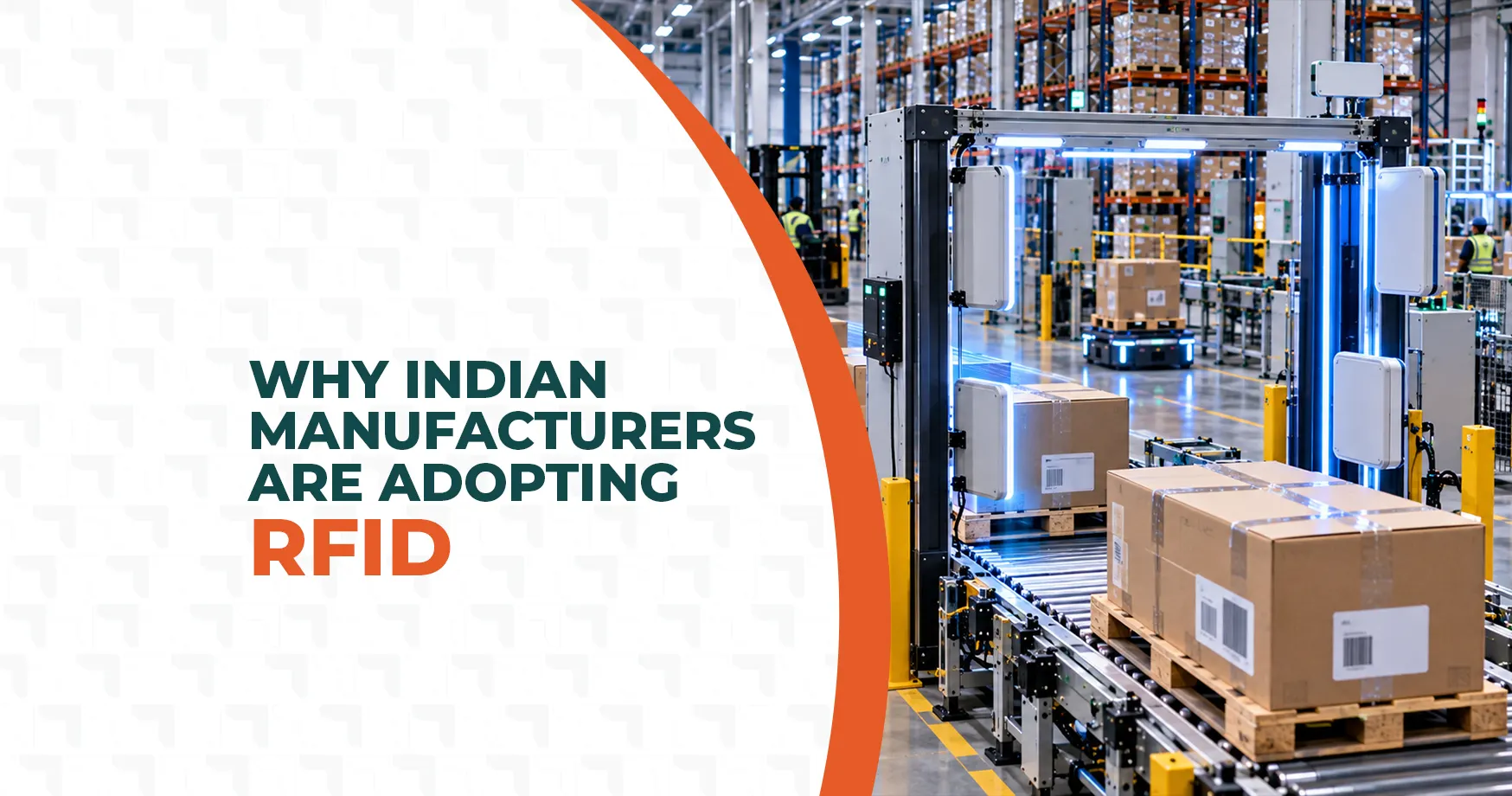
It starts with collection. Barcode scanning, RFID, automation, and validation tools capture data in real time. It continues with connection. Systems share that data across ERP, WMS, and partner environments. It ends with traceability. The product journey becomes easier to follow, review, and verify.
For battery manufacturers, that matters because a passport without traceability is just a label. Track and trace gives the label meaning. It connects the product to its journey.
What BCI brings into the picture
BCI provides Track & Trace as part of its supply chain and manufacturing solutions. The solution supports:
- End-to-end traceability across manufacturing and supply chain
- Serialization and aggregation from unit to pallet
- Real-time data capture through barcode, RFID, and automation
- Compliance readiness and faster recall management
A practical lens for battery manufacturers
A battery pack can leave the line with clear identity. That identity can move through packing, warehouse handling, dispatch, and downstream verification. If every stage captures data correctly, the passport stays complete.
That is the real role of track and trace. It keeps the product story intact.
How Should Indian Battery Manufacturers Think About the Shift?
Start with the product journey. Map where identity is created, where it changes, and where it gets lost.
Then look at the systems already in use. Track and trace can connect with ERP, WMS, and partner systems. That makes it a practical starting point for Digital Product Passport readiness.
Do not treat this as a future-only idea. Battery manufacturers already need visibility, audit readiness, and stronger traceability. Track and trace supports those needs today. The sooner the data chain is tightened, the easier the transition becomes.
Conclusion
Digital Product Passports are about more than compliance. They are about keeping product identity visible across the full journey.
For Indian battery manufacturers, the strongest foundation is track and trace. It supports serialization, aggregation, real-time capture, validation, and system integration. It also helps improve trust, reduce gaps, and make recalls faster and more precise.
If your battery operations need stronger product visibility, start with the traceability layer. That is where a Digital Product Passport becomes real.