
Which MES System Is Right for Discrete Manufacturing in India?
Discrete manufacturers in India, whether in automotive, electronics, or FMCG, are under constant pressure to deliver high-quality products faster while keeping costs under control.
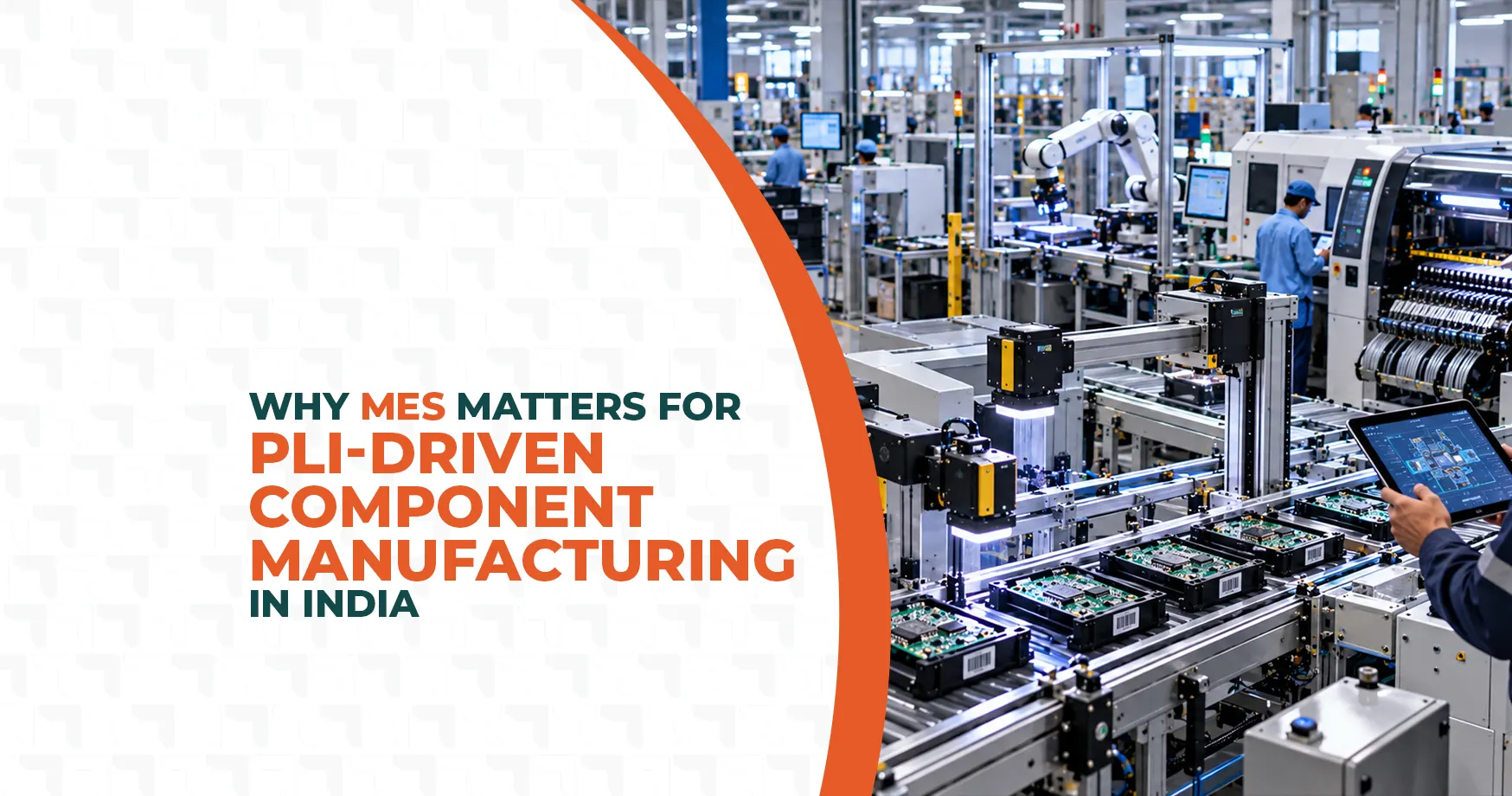
Complex assembly lines, strict compliance standards, and frequent product variations leave little room for manual errors or delayed decisions. ERP systems alone cannot provide the real-time visibility and process adherence required on the shop floor. This is where a Manufacturing Execution System (MES) steps in. The right MES not only digitizes shop-floor operations but also ensures traceability, routing control, and quality compliance, all critical for discrete manufacturing.
But with multiple vendors offering different capabilities, how do you select the best MES solution in India for your business? Read this blog to learn more about how to choose the right MES solution for our discrete manufacturing process in India.
Why Discrete Manufacturers Need MES
Discrete manufacturing runs on tight sequences, precise assemblies, and zero tolerance for undocumented deviations. When production scales across multiple lines, shifts, and product variants, even small gaps in visibility or process control can quietly turn into costly issues.
Below are the most common challenges and how they actually play out inside real plants.
1. Delays from Manual Production Updates
Many discrete manufacturers still update production status manually or at the end of a shift. This creates blind spots during the day. An assembly line may continue working under the assumption that upstream operations are on schedule, only to stop suddenly when parts are not available. By the time the issue is noticed, machine time and labor hours are already wasted. MES for discrete manufacturing captures live production status and exceptions, allowing teams to respond before bottlenecks form.
2. Inconsistent BOM and Routing Execution
Bills of Material and routings may be correctly defined in ERP systems, but execution on the shop floor often differs across lines or shifts. During high-volume runs or urgent orders, operators may skip or reorder steps to keep output moving. This usually goes unnoticed until final inspection, where defects or missing validations force rework. MES enforces routing control and BOM compliance, ensuring each step is completed and recorded before production moves ahead.
3. Limited Visibility into Machines and Operators
Without real-time data, production managers rely on shift-end reports to understand performance. This delays decision-making and allows recurring issues like micro-downtime, unplanned stoppages, or skill mismatches to repeat daily. MES provides live visibility into machine utilization, downtime reasons, and operator activity, making it easier to correct problems while the shift is still running.
4. Compliance Issues Due to Missing Records
In industries such as automotive, electronics, and FMCG, compliance depends on accurate and complete production records. A common problem appears during audits when process data for a specific batch or serial number is missing or incomplete. Even if the product quality is acceptable, this lack of traceability can lead to batch holds or recalls. MES automatically records every transaction, approval, and deviation, ensuring audit-ready traceability without manual reconstruction.
Essential MES Functions for Discrete Manufacturing
Discrete manufacturers need functions that actively control production, capture data at the source, and support quality and compliance on the shop floor. The following MES capabilities directly influence how smoothly operations run and how quickly teams can respond to issues.
1. End-to-End Traceability and Genealogy Tracking
When traceability is weak, teams struggle to identify the source of defects. A single quality issue often leads to wide batch holds or recalls because manufacturers cannot isolate affected components or assemblies.
MES captures and validates data at every production stage. It links each component to its material source, process steps, tools, and operators. After implementation, manufacturers trace issues faster, limit their impact, and meet customer and audit requirements with confidence.
2. Routing Adherence and Sequential Control
Many production errors occur when operators skip or reorder steps to maintain output. These deviations often remain hidden until final inspection or customer complaints.
MES enforces routing and sequential control in real time. The system validates each step before allowing production to move forward. This approach reduces rework, prevents skipped validations, and improves overall process discipline across all lines and shifts.
3. Real-Time OEE Monitoring and Production Analytics
When teams review performance data only after the shift ends, they lose the opportunity to correct problems early. Downtime, scrap, and rework continue unnoticed throughout the day.
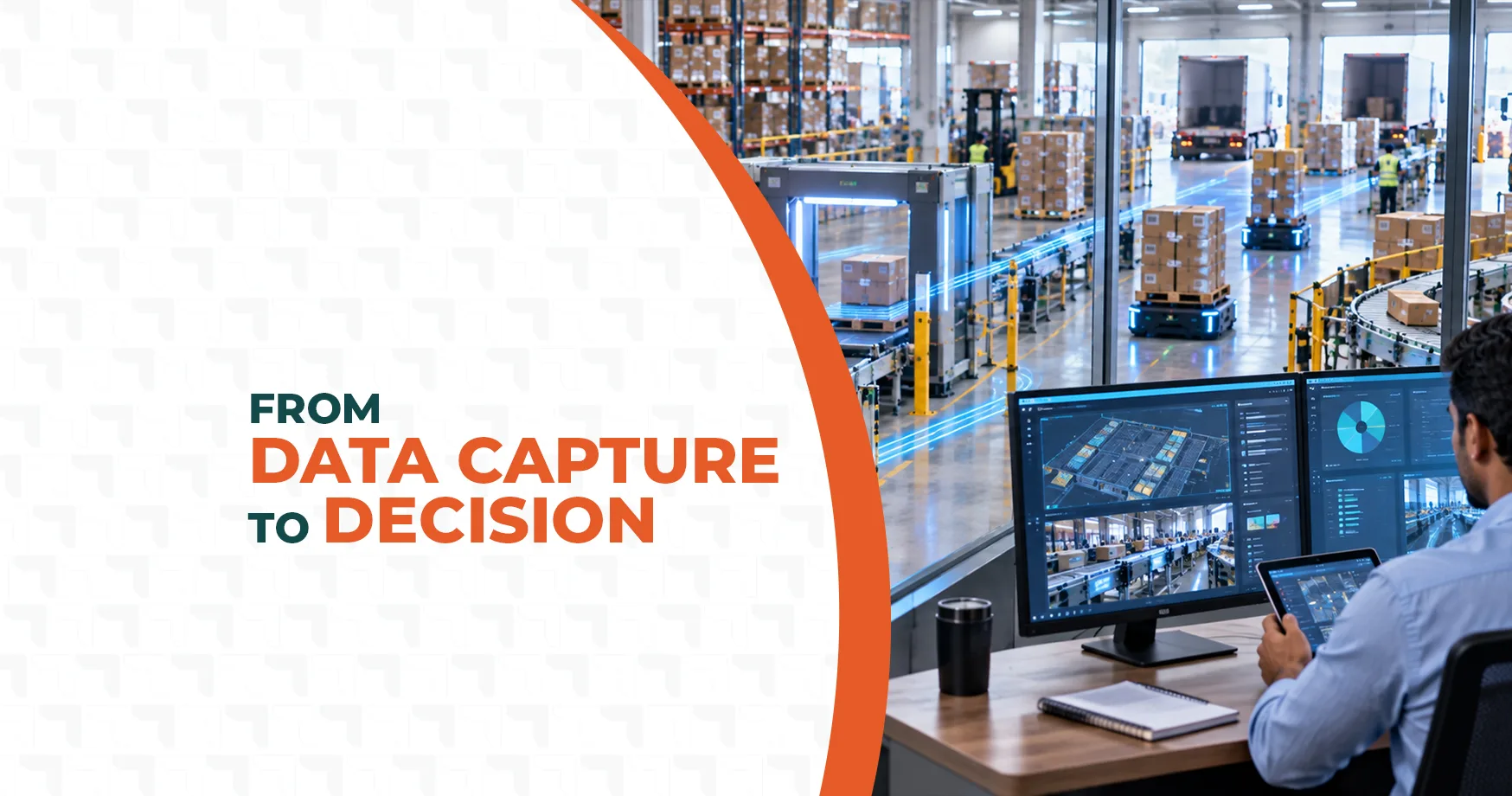
MES connects with machines, PLCs, and IoT devices to collect live production data. Supervisors monitor OEE, downtime reasons, and scrap levels through real-time dashboards. This visibility allows them to act immediately and reduce losses during the same shift.
4. User and Labour Management
Assigning tasks without validating operator skills increases the risk of quality and compliance issues. Manual supervision alone cannot scale across multiple lines or shifts.
MES links user roles, skills, and authorizations directly to production operations. The system records labour activity against jobs, creating accountability and accurate genealogy. As a result, manufacturers improve workforce efficiency and reduce skill-related errors.
5. Integrated Warehousing and Material Management
Material shortages and incorrect issues often disrupt production schedules. Expired or mismatched materials also lead to quality failures and excess scrap.
MES integrates material management with production execution. The system validates issued materials against the approved Bill of Material or recipe. It also provides real-time visibility into stock levels and shelf life. This integration helps manufacturers prevent material-related stoppages and quality deviations.
6. Advanced Quality Control and In-Process Validation
End-of-line inspections detect defects too late. By then, rework or scrap becomes unavoidable and costly. MES embeds quality checks within production steps. The system captures inspection data, triggers alerts for deviations, and maintains audit trails automatically. Manufacturers detect issues earlier, reduce defect rates, and simplify compliance audits.
A top MES software for manufacturing combines all these functions to enhance productivity, reduce errors, and improve customer satisfaction.
Technologies That Enhance MES for Discrete Manufacturing
Modern MES systems work best when integrated with supporting technologies:
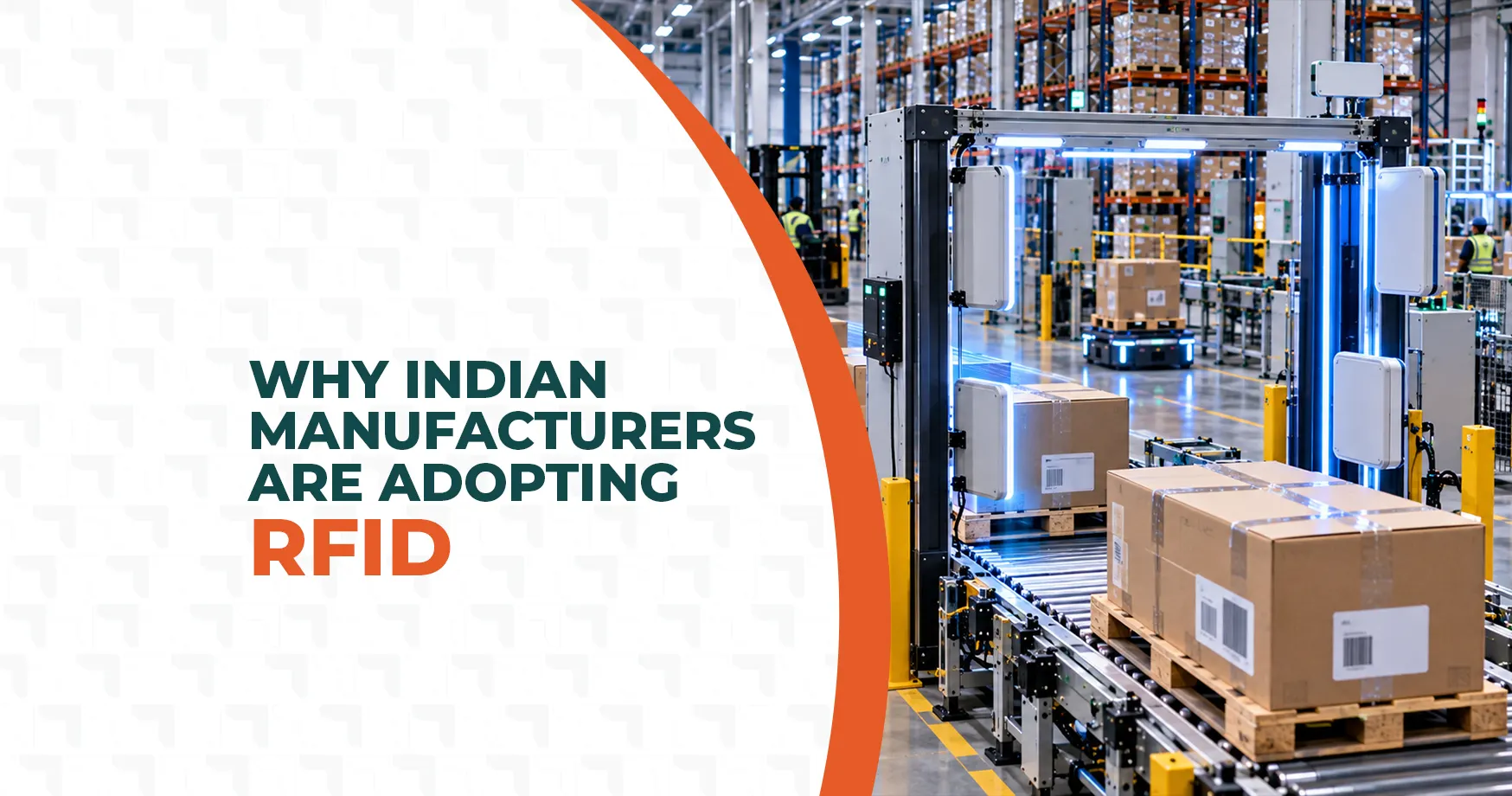
- Barcode and RFID for accurate product and component identification.
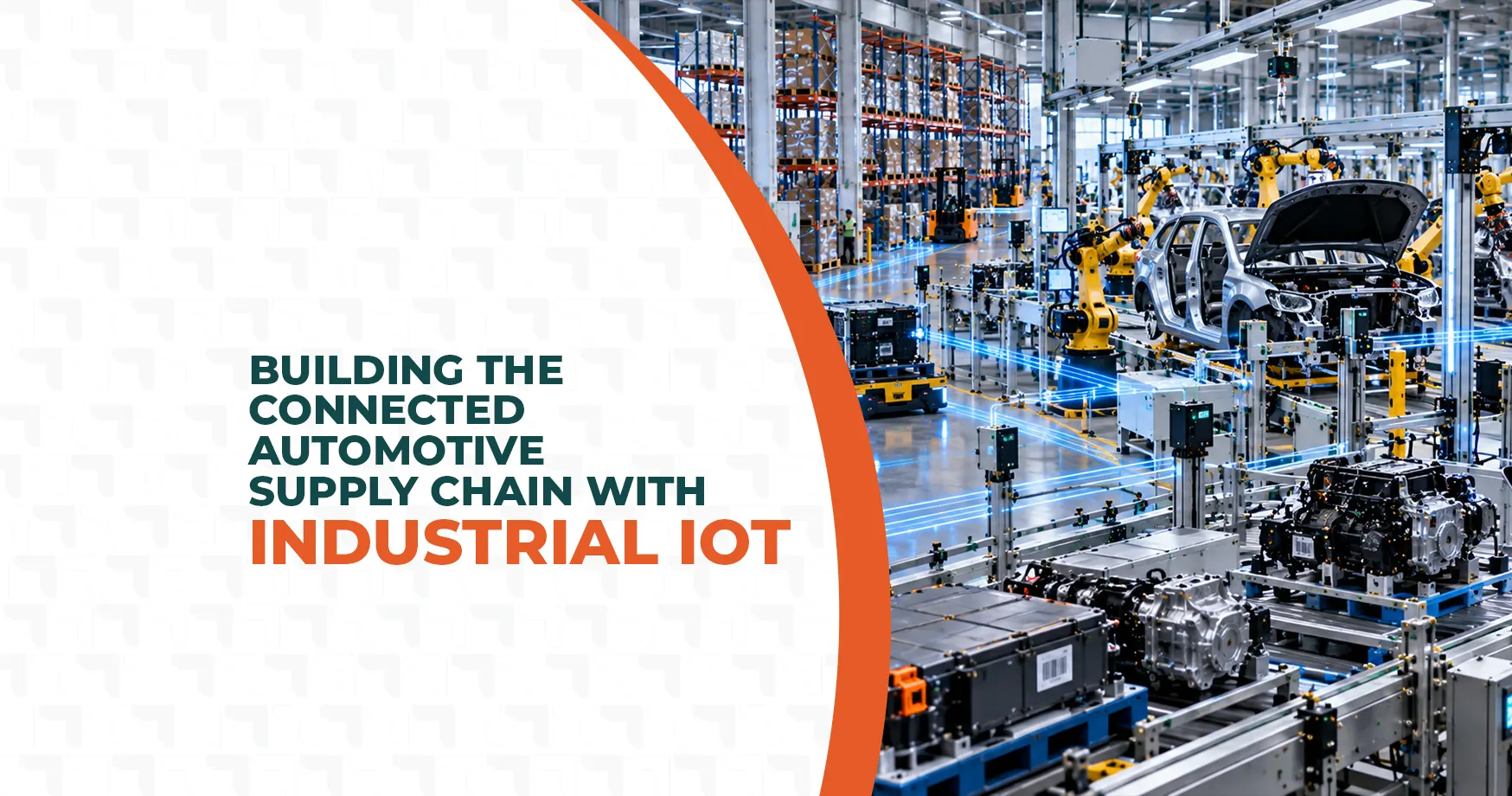
- IoT with sensor stacks to track machine performance, temperature, and material movement, essential for electronics or FMCG plants.
- Machine Vision and Laser Marking for automated quality checks and part identification.
- WLAN-enabled handheld scanners and tablets for real-time updates directly from the shop floor.
- ERP and AIDC integration for smooth data exchange between planning systems and production equipment.
A solution combining these technologies ensures faster decision-making and complete production visibility, key factors for any best MES Solutions in India.
Key Factors to Choose the Right MES in India
1. Industry-Specific Capabilities
The MES should address discrete industry requirements such as component-level traceability, job-work tracking, and packaging machine integration.
2. Scalability & Configurability
A scalable system that allows quick addition of new lines or machines without complex coding ensures long-term usability.
3. Compliance & Quality Management
The system must support ISO, IATF 16949, and morewhere applicable, especially for automotive and electronics manufacturers.
4. Data Visibility & Analytics
Real-time dashboards for OEE, inventory flow, and process deviations help improve profitability and reduce wastage.
5. Vendor Reliability & Support
Choose an experienced MES provider in India with proven deployments, training support, and a rapid implementation approach. Selecting a vendor without assessing these factors could result in costly downtime and lower ROI, making it crucial to evaluate both the product and its support ecosystem.
Conclusion
If you are still evaluating MES vendors, do not rush into a decision based solely on immediate needs. Think beyond today’s production issues. Choose an MES that can handle growing product variations, traceability requirements, and new compliance regulations that your business might face in the next five years.
With its modular architecture and proven technology stack, Bar Code India delivers the best MES solution in India, designed for the future. More than a tracking tool, it acts as a digital backbone for manufacturers preparing for smart factories. Choosing the right MES provider in India today is not just about solving current bottlenecks; it’s about ensuring your plant stays competitive when the industry shifts to fully connected manufacturing.