
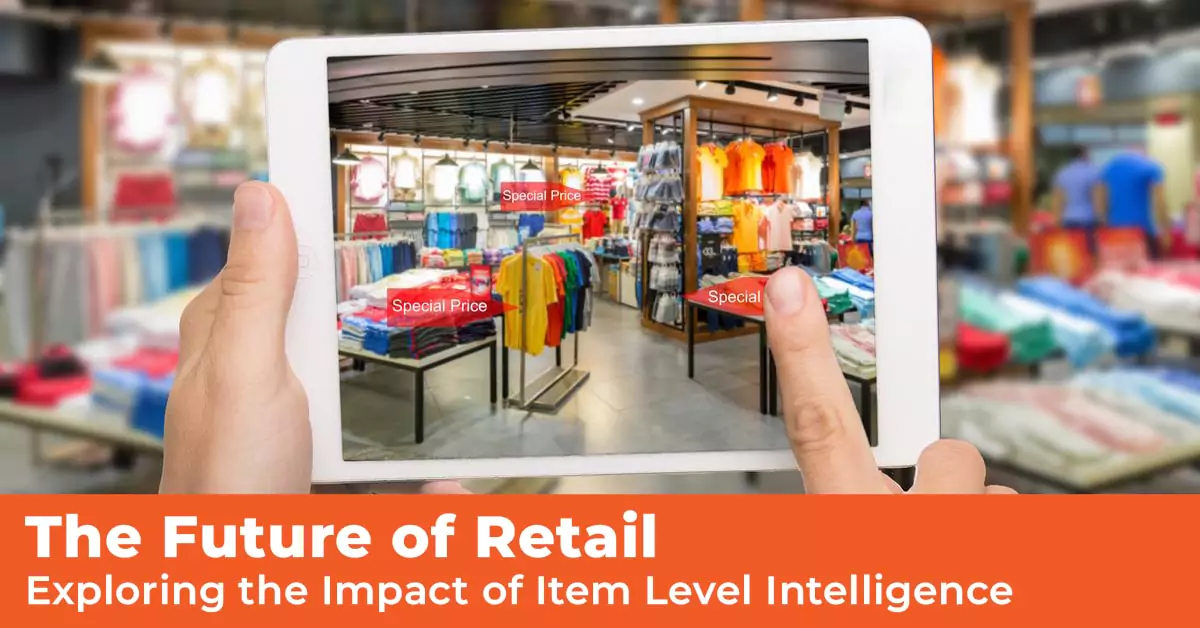
The Future of Retail: Exploring the Impact of Item Level Intelligence
The retail industry is undergoing a seismic shift, driven by technological advancements redefining how consumers shop and how retailers operate. One of the most transformative innovations in this space is Item Level Intelligence (ILI), powered by RFID technology. According to McKinsey, implementing RFID technology in retail can generate up to a 5% increase in top-line revenue through improved inventory management and can substantially reduce inventory-related labor hours, ranging from 10% to 15%.In this blog, we will delve into the concept of ILI, its various applications, and its profound impact on the future of retail.
Understanding Item Level Intelligence (ILI)
Item Level Intelligence, often abbreviated as ILI, represents a revolutionary approach to retail that goes beyond traditional inventory management. At its core, ILI is the practice of attaching unique digital identities to individual products using technologies like RFID technology (Radio-Frequency Identification), IoT (Internet of Things), and advanced data analytics. These digital identities enable retailers to gain real-time visibility and control over each item in their inventory, transforming how they manage, market, and sell products.
The Components of Item-Level Intelligence
1. RFID Technology:
RFID technology is at the heart of ILI. These small, cost-effective tags contain unique identification data that
2. RFID readers:
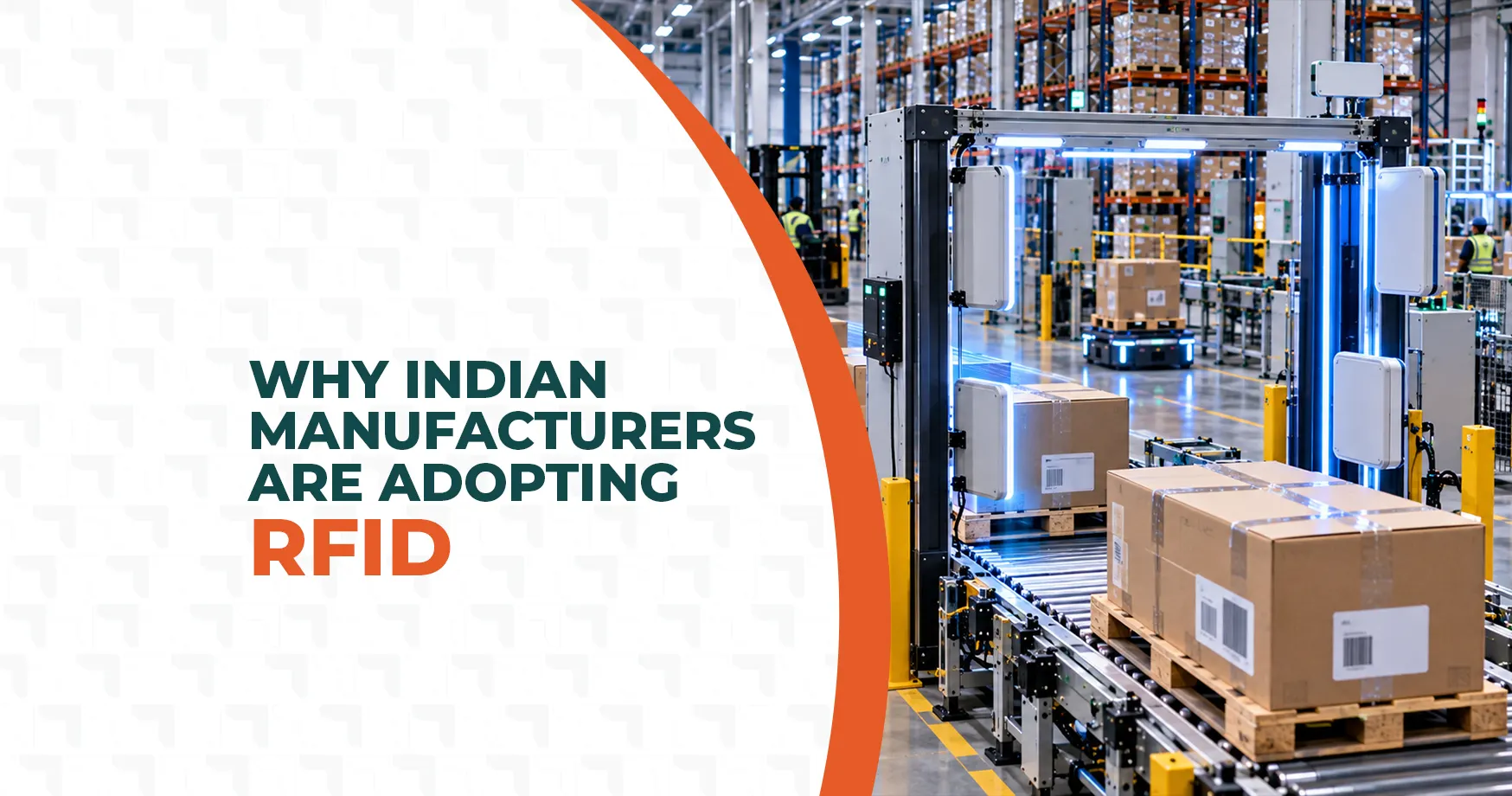
RFID readers can read remotely. Unlike traditional barcodes, RFID tags don't require line-of-sight scanning, making them incredibly efficient for tracking items.
3. IoT Sensors:
Besides RFID technology, IoT sensors play a crucial role in ILI. These sensors collect data on various aspects of a product's journey, such as temperature, humidity, and location. This real-time data gives retailers valuable insights into product conditions and can help prevent spoilage, damage, or theft.
4. Data Analytics:
The data collected from RFID tags and IoT sensors is processed and analyzed using sophisticated algorithms and AI-driven analytics. This data-driven approach allows retailers to make informed decisions regarding inventory management, pricing, and marketing strategies.
The Impact on Inventory Management
ILI has a profound impact on inventory management, offering several key advantages:
1. Real-time Inventory Visibility:
With ILI, retailers can instantly see the exact location and quantity of each item in their inventory. This level of visibility minimizes stockouts and overstock situations and reduces the need for manual stock counts.
2. Enhanced Accuracy:
Traditional inventory counting methods are prone to errors. ILI eliminates these errors by automating the tracking process, resulting in more accurate inventory records in inventory management software.
3. Inventory Optimization:
ILI enables retailers to optimize their inventory by identifying slow-moving items, reducing carrying costs, and improving the turnover rate of products.
4. Transforming Customer Experience
ILI isn't just about optimizing inventory; it also enhances the customer experience in several ways:
5. Personalized Shopping:
ILI allows retailers to personalize the shopping experience by recommending products based on a customer's preferences and past purchases. This personalization leads to higher customer satisfaction and increased sales.
6. Inventory Transparency:
Customers can check the availability of products in real-time, reducing frustration associated with out-of-stock items. They can also access detailed product information, including origin, manufacturing date, and usage recommendations.
7. Checkout Efficiency:
ILI facilitates frictionless checkout experiences. For example, RFID technology-enabled checkouts allow customers to place all their items in a cart or point-of-sale checkout box, and the system automatically scans and totals the bill, reducing waiting times.
The Role of ILI in Loss Prevention
Retailers have long grappled with issues related to theft and shrinkage. ILI can significantly enhance loss prevention efforts:
1. Theft Deterrence:
RFID technology acts as a powerful deterrent to theft. Potential shoplifters are less likely to target stores with robust ILI systems, as they know stolen items can be quickly tracked.
2. Inventory Accuracy:
Accurate and real-time inventory records help retailers identify discrepancies and detect theft more effectively.
3. Supply Chain Transformation
Item Level Intelligence extends its impact beyond the walls of retail stores. It revolutionizes supply chain management:
4. End-to-End Visibility:
ILI provides real-time visibility into the entire supply chain, from manufacturing facilities to distribution centers to store shelves. This transparency enables retailers to manage their supply chain more efficiently, reducing lead times and ensuring on-time deliveries.
5. Sustainability:
ILI helps retailers reduce waste by optimizing inventory and reducing overproduction, contributing to more sustainable supply chain practices.
6. Improving Operational Quality:
ILI systems enhance operational efficiency by identifying bottlenecks, optimizing inventory management, and reducing errors, resulting in cost savings and higher-quality products during transportation and storage.
7. Increased Sales and Demand Forecasting:
ILI systems enable data-driven demand forecasting, aligning inventory with customer demand to prevent stockouts and overstock. They also provide insights into customer preferences and buying patterns, leading to increased sales.
8. Multi-Channel Excellence:
ILI systems synchronize inventory across all sales channels, ensuring a seamless shopping experience for customers, whether in-store or online.
Item-level intelligence is reshaping the retail industry in profound ways. It offers retailers unprecedented control over their inventory, enhances the customer experience, and transforms supply chain management. While challenges exist, the benefits of ILI are too significant to ignore. As RFID technology continues to advance, retailers that embrace ILI are poised to thrive in the future of retail, offering a shopping experience that is more efficient, personalized, and secure than ever before. As consumers, we can look forward to a shopping landscape that is smarter, more sustainable, and better tailored to our needs. Leverage BCI's ILI and create a seamless shopping experience for your customers. Give us a call today to let your customers experience next-level shopping.
FAQs
Q1. Can ILI be integrated with existing inventory management systems, and how complex is the integration process?
Yes, ILI can be integrated with existing inventory management systems. The complexity of integration depends on the current systems in place and the chosen ILI technology. Retailers often work with technology providers specializing in seamless integration to streamline the process.
Q2. How does ILI affect the role of retail employees? Are there concerns about job displacement?
ILI can change the roles of retail employees by shifting their focus from manual inventory counting to tasks that require creativity and customer interaction. While some routine tasks may be automated, ILI often leads to upskilling opportunities and more rewarding employee roles.
Q3. Can smaller, independent retailers implement ILI, or is it primarily feasible for larger chains?
Retailers of all sizes can implement ILI. While larger chains may have more extensive resources for implementation, smaller independent retailers can start with scaled-down ILI systems tailored to their needs and budgets.