
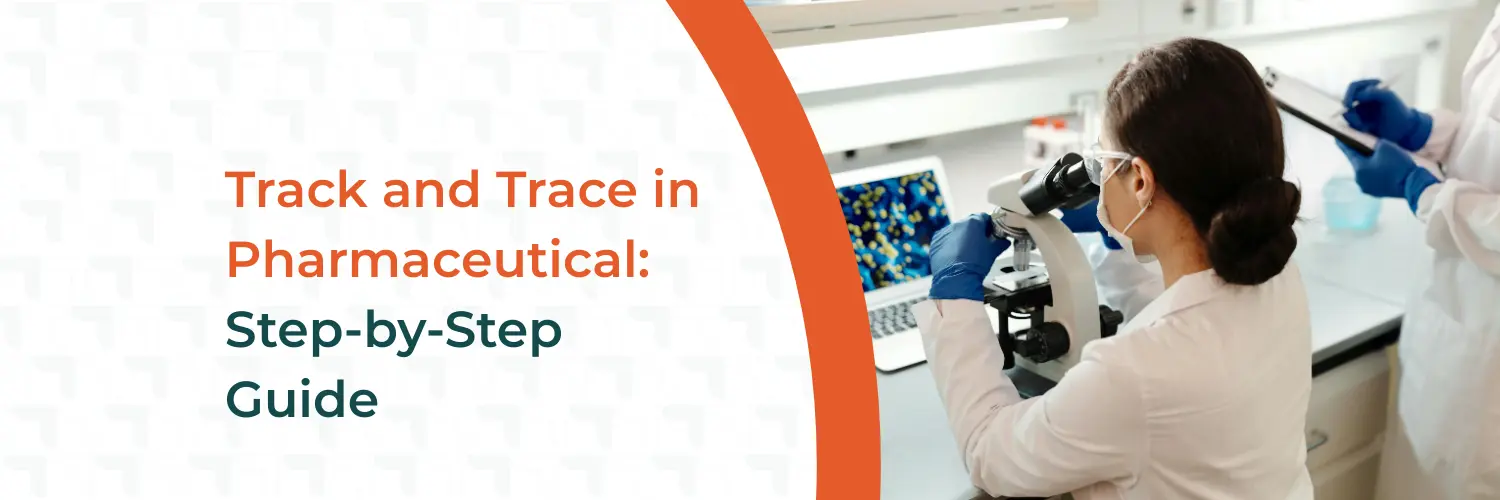
Track and Trace in Pharmaceutical: Step By Step Guide
In an era of advancing technologies and heightened regulatory scrutiny, the pharmaceutical industry is under increasing pressure to ensure the safety and authenticity of its products throughout the supply chain. Implementing a robust track and trace in pharma has emerged as a critical solution to address challenges such as counterfeit drugs, regulatory compliance, and product recalls. According to WHO, around 10 per cent of medicines in global circulation can be counterfeit. The statistics are even worse in some countries, with 50 per cent of counterfeit drugs circulating. This guide provides a concise yet comprehensive roadmap for pharmaceutical companies to establish efficient track and trace mechanisms, safeguarding patient well-being and industry reputation.The pharmaceutical sector's intricate global supply chains demand meticulous oversight to prevent the infiltration of substandard or counterfeit medications that can pose serious health risks. Furthermore, regulatory authorities worldwide, including the FDA, EMA, and other regional agencies, have enacted stringent guidelines mandating the adoption of track and trace technologies to enable end-to-end visibility, traceability, and accountability.
What is track and trace in pharma?
Pharmaceutical Track and Trace involves the integration of records, procedures, and technological systems that empower manufacturers to ensure a secure and traceable journey for their products. This meticulous process commences from the manufacturing facility, traverses through distribution channels, and culminates on the pharmacy shelves. The significance of this system lies in its pivotal role in guaranteeing the safe and efficient dissemination of pharmaceutical goods to end consumers. Establishing a robust track and trace mechanism grants companies the agility to swiftly respond to potential recalls or outbreaks while ensuring strict adherence to regulatory requisites. Central to this process is serialization, a fundamental aspect that entails assigning a unique identifier to each pharmaceutical product. This distinctive code is subsequently incorporated into the product's label or packaging before it embarks on its distribution journey.The effectiveness and consistency of the serialization process underpin the ability to monitor, trace, and verify pharmaceutical products at any juncture. This heightened level of transparency bolsters consumer safety and reinforces the industry's commitment to adherence to regulations and quality assurance.
Importance of track and trace system
Product Safety:
Ensures the safety of pharmaceutical products by tracking them from manufacturing to distribution, helping to identify and address potential quality issues or contamination.
Regulatory Compliance:
Helps pharmaceutical companies adhere to strict regulations set by authorities like the FDA, EMA, and other regional agencies by providing a transparent and traceable record of the product's journey.
Recall Management:
Facilitates efficient and targeted recalls by quickly identifying affected batches, minimizing the impact on consumers, and reducing financial losses for manufacturers.
Counterfeit Detection:
Enables the detection of counterfeit or fraudulent products by verifying the authenticity of each item within the supply chain.
Supply Chain Transparency:
Offers end-to-end visibility into the supply chain, allowing manufacturers to monitor the movement of products, identify bottlenecks, and optimize processes for greater efficiency.
Patient Safety:
Enhances patient safety by ensuring that genuine and high-quality pharmaceuticals reach consumers, reducing the risk of adverse effects from substandard or counterfeit drugs.
Efficient Investigations:
Simplifies investigating any anomalies or discrepancies in the supply chain, leading to quicker resolution and minimizing business disruptions.
Minimized Wastage:
Reduces waste by enabling accurate tracking of expiration dates and shelf life, ensuring products are utilized before they become unusable.
Data-Driven Insights:
Provides valuable data that can be analyzed to improve supply chain management, anticipate demand, and optimize inventory levels.
Industry Reputation:
Enhances the pharmaceutical company's reputation by showcasing commitment to quality, safety, and compliance, fostering trust among stakeholders and consumers.
How does track and trace in pharma work?
Track and trace systems utilize a combination of technologies and processes to monitor the movement, location, and status of products or items throughout their journey along the supply chain.
Here's how track and trace typically works:
- Unique Identification: Each product or item is assigned a unique identifier, such as a barcode, QR code, RFID tag, or serial number. This identifier distinguishes the item from others and serves as its digital signature.
- Data Collection: As the item moves along the supply chain, various data points are collected and recorded. This data includes information about the product's origin, manufacturer, production date, batch number, and other relevant details.
- Data Capture: Devices such as barcode scanners, RFID readers, or mobile devices capture the unique identifier and associated data at different points in the supply chain. This data is then transmitted to a centralized database or cloud platform.
- Data Transmission: The captured data is transmitted in real-time or periodically to a centralized system through wireless or wired connections. Cloud-based solutions allow stakeholders across the supply chain to access and update information from various locations.
- Data Storage and Processing: The collected data is stored and processed in a centralized database or cloud platform. This repository becomes a digital record of the item's journey, making it accessible for tracking and analysis.
- Traceability and Visibility: With the unique identifier and associated data, stakeholders can track the item's movement and status at various stages, from manufacturing to distribution to retail. This traceability provides real-time visibility into the item's location and conditions.
- Monitoring and Alerts: Track and trace systems can incorporate monitoring sensors to track environmental conditions like temperature, humidity, or shock. If these conditions deviate from acceptable ranges, alerts can be triggered, allowing prompt intervention.
- Analytics and Insights: The collected data can be analyzed to gain insights into supply chain performance, identify bottlenecks, forecast demand, and optimize processes. This data-driven approach improves operational efficiency and decision-making.
Remember, adopting a track and trace system isn't just about compliance; it's a strategic move that can enhance your operational agility, protect your brand reputation, and ultimately lead to a more substantial, more resilient business. Contact BCI today to embark on a journey toward an optimized, secure, and transparent supply chain future. Your products and your customers deserve nothing less.
Additional Read:
What is a Warehouse Management System?
What is a Machine Vision System?
What is a Manufacturing Execution System (MES)?
What are Cold Chain Solutions?
FAQs
1. Can track and trace systems be customized to fit specific business needs?
Yes, track and trace systems can be tailored to meet the specific requirements of each business. Whether it's integrating with existing software, adapting to unique workflows, or accommodating industry regulations, reputable providers and end-to-end solution partners like BCI offer customizable solutions to align with your business goals.
2. What role do technologies like RFID and barcodes play in track and trace systems?
RFID (Radio Frequency Identification) and barcodes are essential track and trace systems components. They provide unique identification codes that can be scanned or read at different points in the supply chain, allowing for real-time data collection and traceability.
3. How does a track and trace system help with regulatory compliance?
A track and trace system maintains accurate and detailed records of each product's journey, ensuring adherence to regulatory requirements. Whether integrating with existing software, adapting to unique workflows, or accommodating industry regulations, reputable providers and end-to-end solution partners like BCI offer customizable solutions to align with your business goals.