
Assembly Line Automation: Transforming Modern Manufacturing
What is Assembly Line Automation?
Assembly line automation is the process of allowing machines, sensors and software to carry out routine production tasks with minimal human effort. Every workstation, every machine and every component becomes part of a single connected flow. The result is a line that moves consistently, maintains quality on its own and provides real-time visibility for every product that enters the line and every product that exits.
Importance of Assembly Line Automation
In today’s competitive marketplace, manufacturers face increasing pressure to enhance throughput, maintain product quality, and lower operational costs simultaneously. Assembly line automation addresses these challenges by:
- Reducing human error: Automated systems ensure standardization and consistency in repetitive tasks.
- Boosting productivity: Automated production lines operate continuously with minimal downtime.
- Improving safety: Machines handle dangerous or comprehensively challenging tasks, reducing workplace injuries.
- Enhancing quality: Integrated vision inspection validation ensures defect-free production.
- Ensuring traceability: Automated lines record each step in real time, enabling complete product traceability and regulatory compliance.
These improvements are especially critical for industries where quality, speed, and compliance are non-negotiable.
Industries Relying on Automated Assembly Lines
Automation serves as a cornerstone of efficiency and precision across multiple manufacturing segments. Each industry leverages automated assembly lines differently, depending on its operational and compliance requirements.
1. Automotive
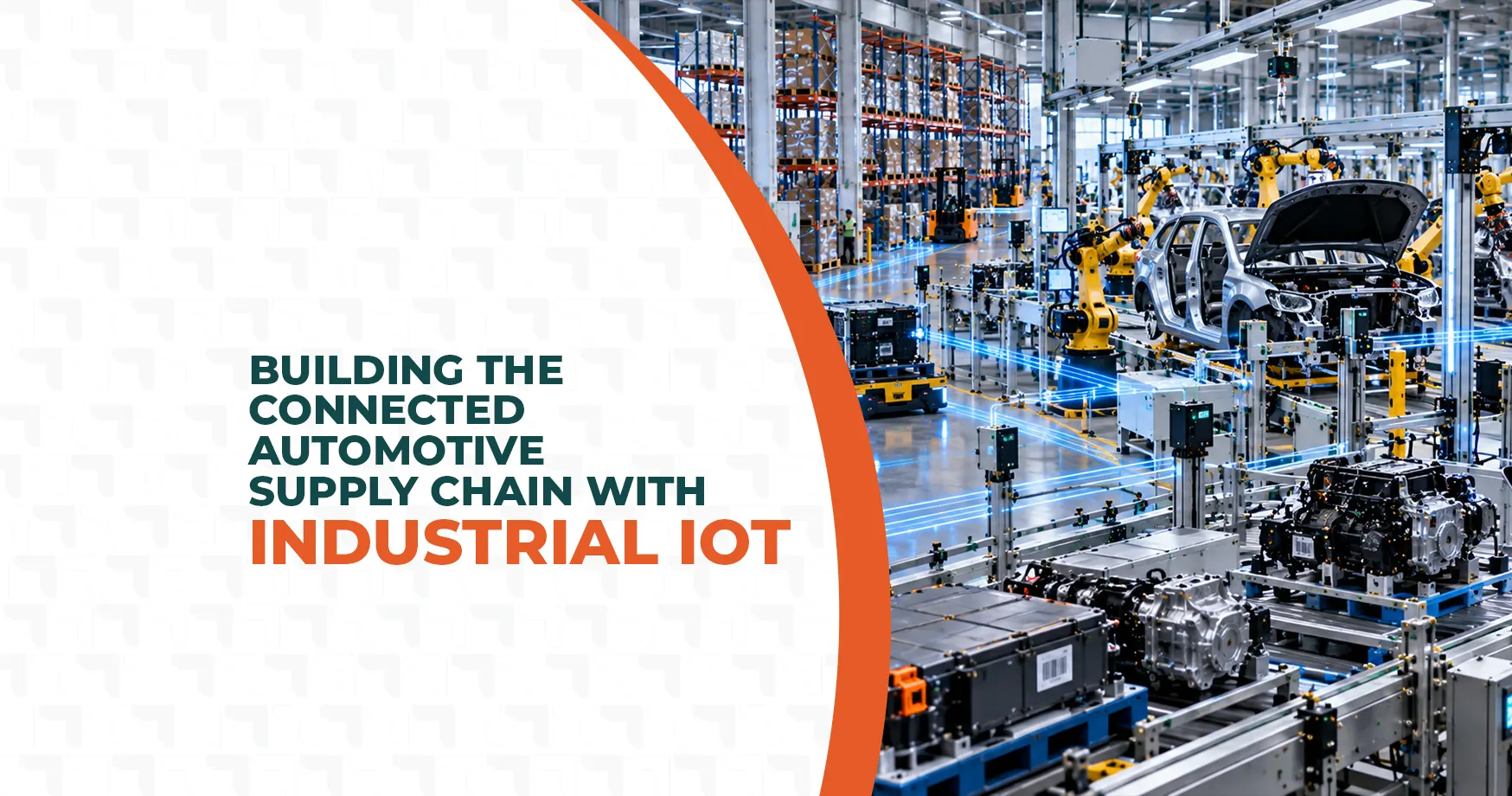
- Implements machine vision and Fixed mount barcode scanners for precise component identification and error-proof assembly.
- Integrates with MES (Manufacturing Execution System) to enable real-time monitoring of Man, Machine, Method, and Material, ensuring each process step meets specifications.
- Traceability and genealogy mapping support faster detection of faults and enable zero-defect manufacturing through continuous quality verification.
- Enhances process optimization and decision-making by connecting line data directly with ERP and control systems.
2. Electronics and Consumer Durables
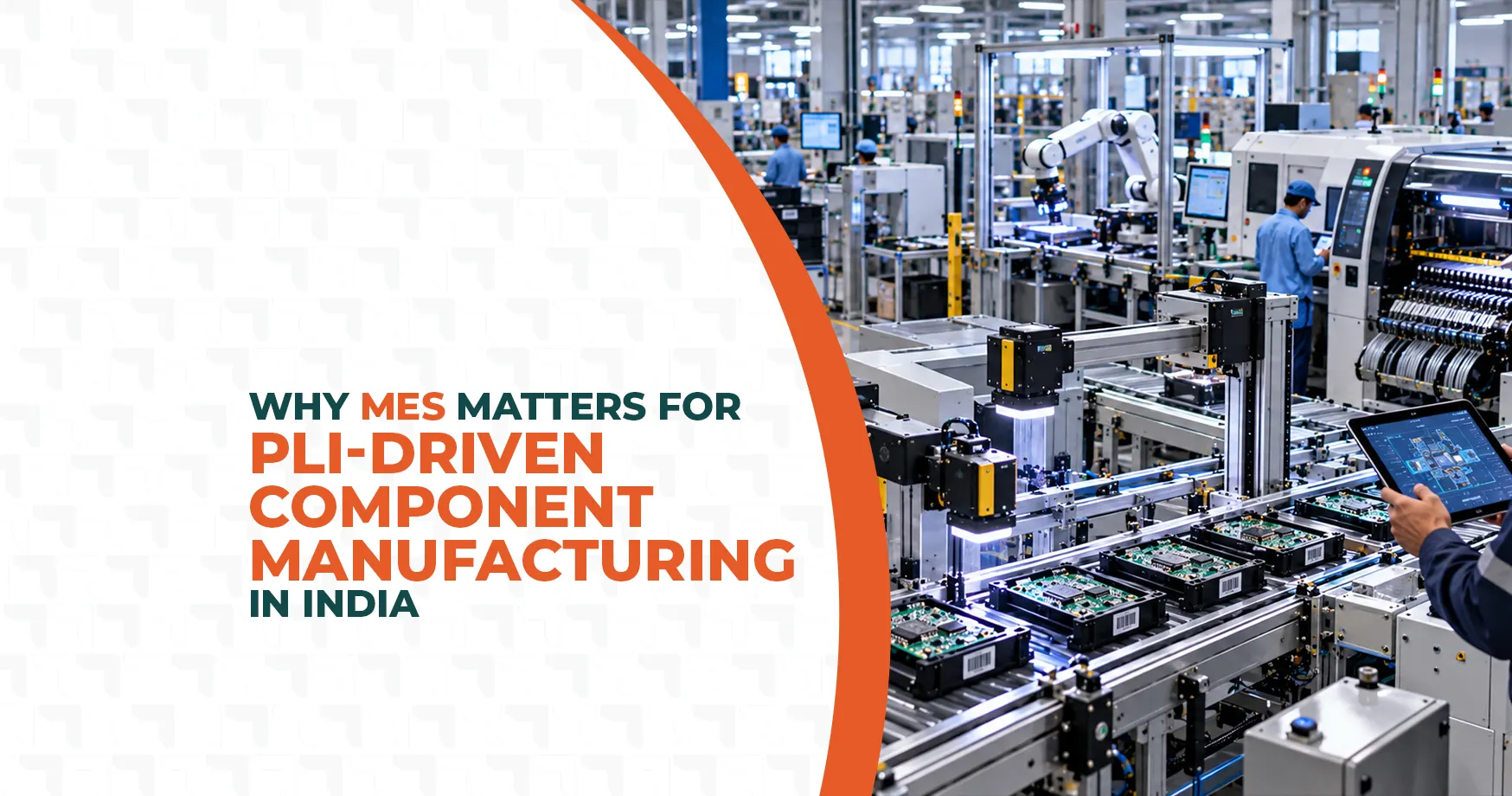
- Uses MES for electronics manufacturing to monitor high-speed SMT and component-level assembly.
- Real-time KPI and OEE monitoring ensures production throughput and continuous improvement.
- Machine Vision and fixed mount barcode validation safeguard against component misplacement and labeling inaccuracies.
- Enables sequential control and routing adherence, maintaining efficiency across frequent product variants and high-mix models.
3. Pharmaceuticals and Life Sciences
- Implements Track and Trace solution for serialization, aggregation, and labeling, ensuring global compliance.
- Integrates OCR/OCV inspection, defect detection, and packaging validation for verified labeling accuracy.
- MES for process manufacturing ensures batch-level traceability, recipe management, and electronic audit trails (eLogs) for GMP adherence.
- Enhances patient safety by maintaining full product authenticity and anti-counterfeiting control through serialization.
4. FMCG and Packaging
- Employs automated print-and-apply systems for high-speed, variable data labeling such as expiry and batch details.
- Aggregation-level traceability delivers visibility from product to pallet, supporting efficient recalls and shipment verification.
- Dynamic packaging line optimization powered by machine vision improves throughput while reducing manual labor.
5. Chemical and Process Manufacturing
- Leverages MES for process industries to manage batch production, recipe execution, and genealogy mapping.
- Maintains strict compliance with GMP, 21 CFR, and SATHI guidelines through built-in data validation and electronic logs.
- Enhances productivity and transparency by combining automated material handling, quality checks, and traceability under a unified digital ecosystem.
Key Technologies Powering Assembly Line Automation
Modern automated assembly lines integrate a blend of machine vision, robotics, and data-driven technologies, working together through an interconnected ecosystem:
1. Machine Vision Systems
Machine vision cameras perform defect detection, OCR/OCV validation, and label inspection, ensuring real-time quality control across every stage of production. They enable applications like dimensional measurement, surface defect detection, and assembly fitment checks, facilitating AI-based visual quality assurance.
2. Fixed Mount Barcode Readers
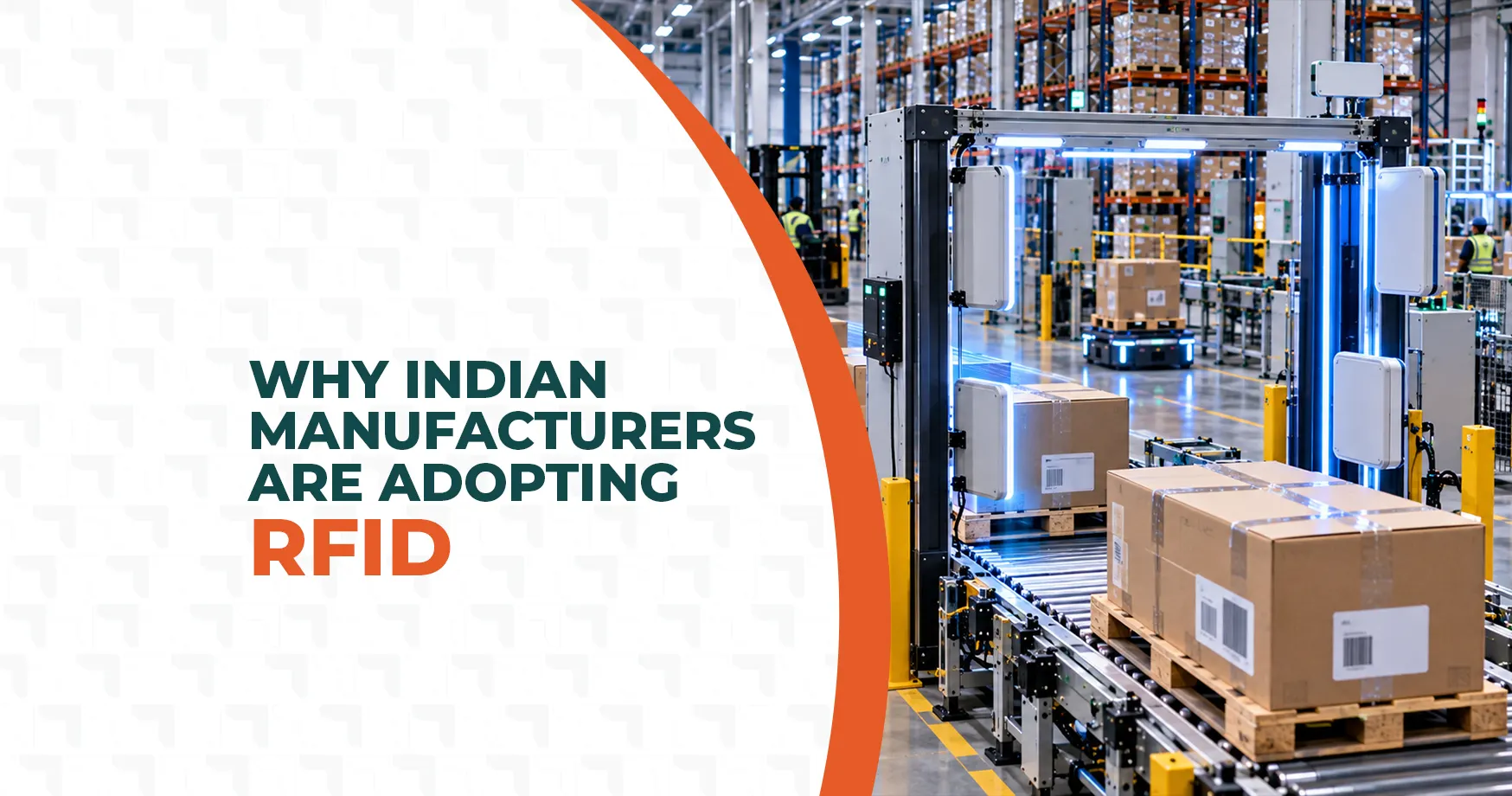
These stationary scanners are deployed at key points for high-speed barcode reading and tracking in automated environments. They support Track and Trace processes, ensuring serialized product identification and aggregation through line-level integration.
3. Robotics and Automated Material Movement
Automated systems such as AMRs and ASRS handle the movement of materials, finished goods, and packaging between workstations, improving flow and minimizing idle time. Collaborative robots (cobots) assist operators with repetitive tasks, enhancing operational safety and precision.
4. Manufacturing Execution Systems (MES)
BCI’s MES solutions provide real-time visibility, control, and traceability across the entire production line. For discrete manufacturing, MES manages work orders, routing adherence, sequential control, and component traceability. For process industries, it governs batch execution, recipe management, and compliance. The result is end-to-end quality assurance, minimal rework, and optimized production scheduling.
5. Track and Trace Systems
BCI’s Track and Trace solution ensures serialization, aggregation, and real-time tracking across the production and supply chain. It incorporates GS1 barcode standards, cloud-based analytics, and seamless integration with ERPs and shop-floor equipment. This drives compliance, product authenticity, and rapid recall management, all vital in regulated sectors like pharmaceuticals and electronics.
Future of Automated Assembly Lines
As Industry 4.0 continues to evolve, the assembly line is becoming increasingly self-learning and adaptive. Future systems will leverage artificial intelligence, and predictive analytics to make autonomous operational decisions. Real-time data integration through IoT and cloud platforms will connect suppliers, production lines, and logistics systems into a unified digital supply network.
How BCI Supports Assembly Line Automation
BarCode India (BCI) plays a pivotal role in enabling intelligent assembly line automation through an integrated suite of hardware, software, and IoT technologies. BCI transforms manual production lines into digitally connected ecosystems that deliver visibility, quality, and compliance at every step.
- Integration of AIDC Technologies: Through offerings like Fixed Mount Barcode Readers and Machine Vision Systems, BCI ensures real-time identification, inspection, and validation for complete traceability.
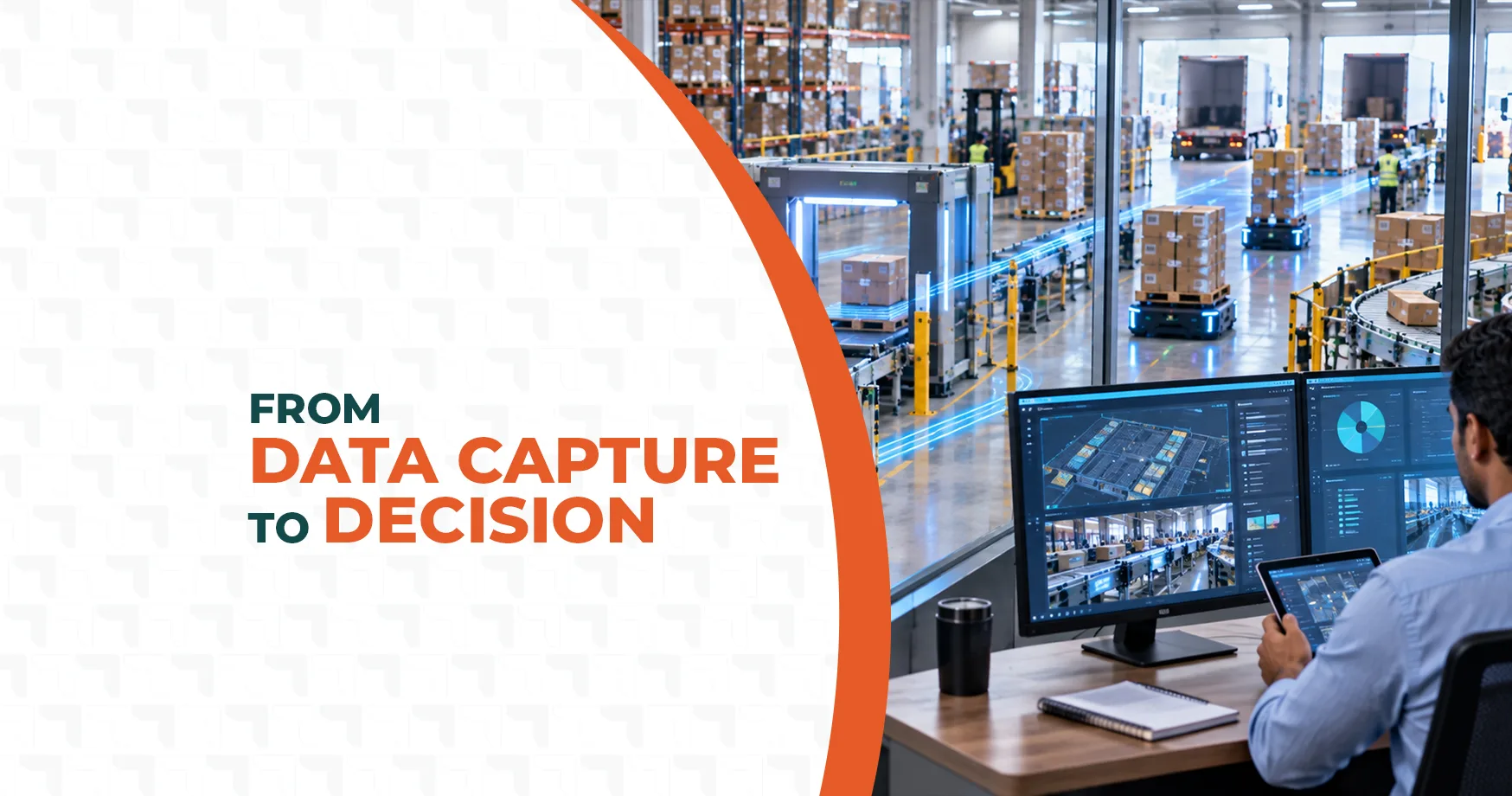
- Data-Centric Production Management: The MES platform enables seamless integration with ERP, PLC, and SCADA systems, giving enterprises a central command over production and quality operations.
- End-to-End Traceability: The Track and Trace solution provides serialized tracking, regulatory compliance, and counterfeit prevention for critical industries such as pharmaceuticals and electronics.
Through these capabilities, BCI enables manufacturers to achieve higher throughput, reduced variability, and enhanced operational control—building the foundation for the factory of the future that is intelligent, traceable, and fully connected.