
The Top 5 Benefits of Implementing a Manufacturing Execution System in Your Business
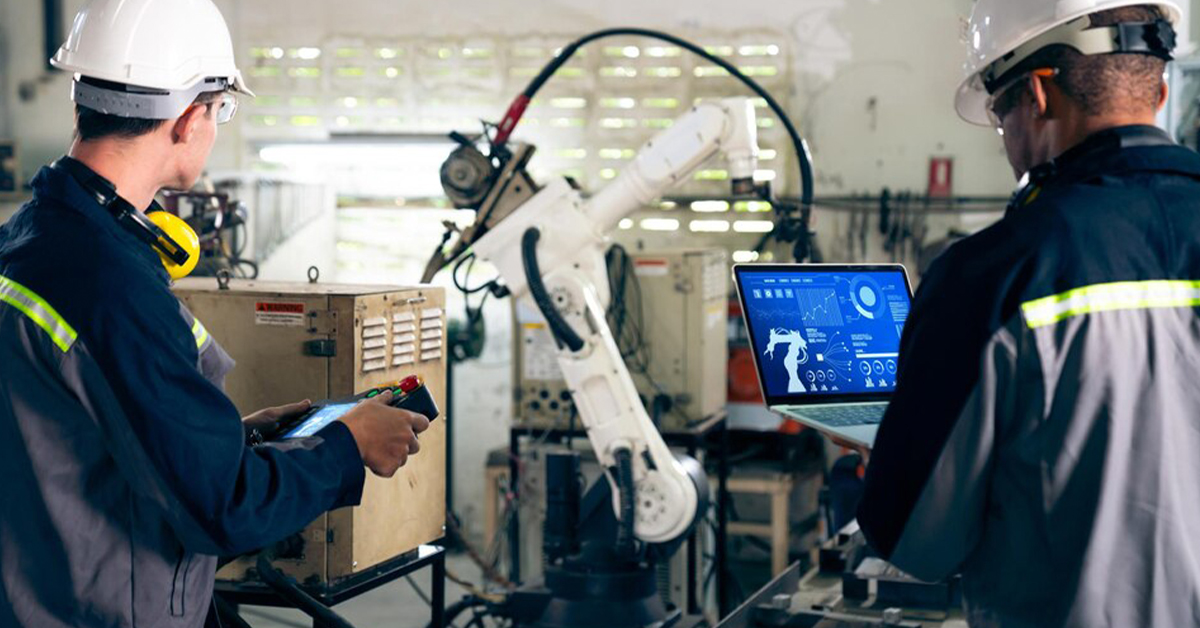
Implementing a Manufacturing Execution Sys (MES) boosts your factory team's efficiency. In the past, MES meant manual charts and managers checking supplies. Now, computers handle MES, providing detailed data and analysis. MES tracks the entire production process, from raw materials to finished products. It gives floor managers timely information to improve production. The projections for the MES market show that it is expected to grow at a CAGR of nine percent from 2022 to 2027. Here are the top five benefits: improved efficiency, precise data, better production, streamlined processes, and smarter decisions. MES helps factories work smarter and produce better results.
Benefits of MES in Your Operations
1. Enhanced Production Visibility
One of the primary benefits of adopting an MES is its unprecedented visibility in your production processes. With real-time monitoring and data analysis, you gain valuable insights into every manufacturing stage. An MES provides a comprehensive view of your entire production cycle, from raw material inventory to work-in-progress and finished goods. This visibility lets you identify bottlenecks, track progress, and make data-driven decisions. By clearly understanding your operations, you can optimize workflows, reduce downtime, and improve overall productivity.
2. Improved Quality Control
Quality control is paramount in manufacturing. Even minor defects can lead to significant losses and damage your brand reputation. MES empowers you with a robust layer of quality control features. It allows you to set predefined quality parameters and automatically checks products against these standards in real-time. Any deviations or defects are instantly flagged, enabling quick corrective actions. MES helps ensure route adherence by providing real-time tracking and monitoring of production processes, allowing businesses to optimize workflows, identify bottlenecks, and enforce standardized procedures. By implementing MES-driven quality control, you can minimize errors, reduce wastage, and deliver consistently high-quality products to your customers.
3. Efficient Resource Management
Managing resources effectively is crucial for maximizing efficiency and minimizing costs. MES provides comprehensive tools for resource management, including machine utilization, labor allocation, and energy consumption tracking. Analyzing this data allows you to optimize production schedules, allocate resources more efficiently, and reduce operational costs. Whether minimizing downtime, optimizing machine usage, or improving workforce productivity, MES equips you with the insights needed to make resource-related decisions that drive efficiency and profitability.
4. Streamlined Communication and Collaboration
Communication breakdowns in a complex manufacturing environment can lead to delays and errors. MES is a central hub facilitating seamless communication and collaboration among various departments. From production and inventory management to quality control and supply chain coordination, MES ensures everyone is on the same page. Real-time data sharing, automated notifications, and workflow synchronization enhance collaboration, reduce response times, and enable a more agile response to changing market demands. This streamlined communication fosters a cohesive working environment, ensuring your business functions as a well-oiled machine.
5. Regulatory Compliance and Reporting
Compliance with industry regulations and standards is non-negotiable in manufacturing. MES simplifies adhering to regulatory requirements by automating compliance checks and generating accurate, detailed reports. Whether it's traceability, safety regulations, or any other compliance, MES ensures that your operations comply with all necessary guidelines. Moreover, MES simplifies the reporting process, providing detailed insights into your compliance status and maintaining an audit trail. This saves time and minimizes the risk of penalties or legal issues. By implementing MES, you can operate confidently, knowing that your business complies with all relevant regulations. Incorporating a Manufacturing Execution System into your business is not just a technological upgrade; it's a strategic investment in your company's future. The benefits of MES, from enhanced visibility and quality control to efficient resource management and streamlined communication, empower your business to thrive in a competitive market. By embracing MES, you're not just optimizing your production processes but setting the stage for long-term success, growth, and sustainability. Stay ahead of the curve and transform your manufacturing operations with the power of MES.
FAQs
1. How Long Does It Take to Start Using MES?
The time it takes to start using MES varies. It depends on the size of the factory and how complicated the processes are. Usually, it takes a few months to set up MES, including planning, setting it up, and teaching the staff how to use it.
2. Will MES Disrupt Our Current Production Process?
No, MES is designed to integrate with existing processes seamlessly. It is implemented with careful planning, ensuring minimal disruption to ongoing operations. It enhances the current process by making it more efficient and organized.
3. Is MES Difficult for Employees to Learn?
MES systems are user-friendly and intuitive. While there might be a learning curve, especially during the initial stages, most employees adapt quickly. Also, proper training and support are provided to ensure the staff can use MES effectively in their daily tasks.
4. Can MES Be Accessed Remotely?
Yes, many modern MES solutions offer remote accessibility. With secure internet connections, managers and authorized personnel can access the system from anywhere. This feature allows for real-time monitoring and decision-making, even when not physically present in the factory.
Share this page
India Has Built a Defence Manufacturing Industry. Now It Has to Prove What It Builds
What Is Pharmaceutical Serialization? Definition, Requirements & How It Works
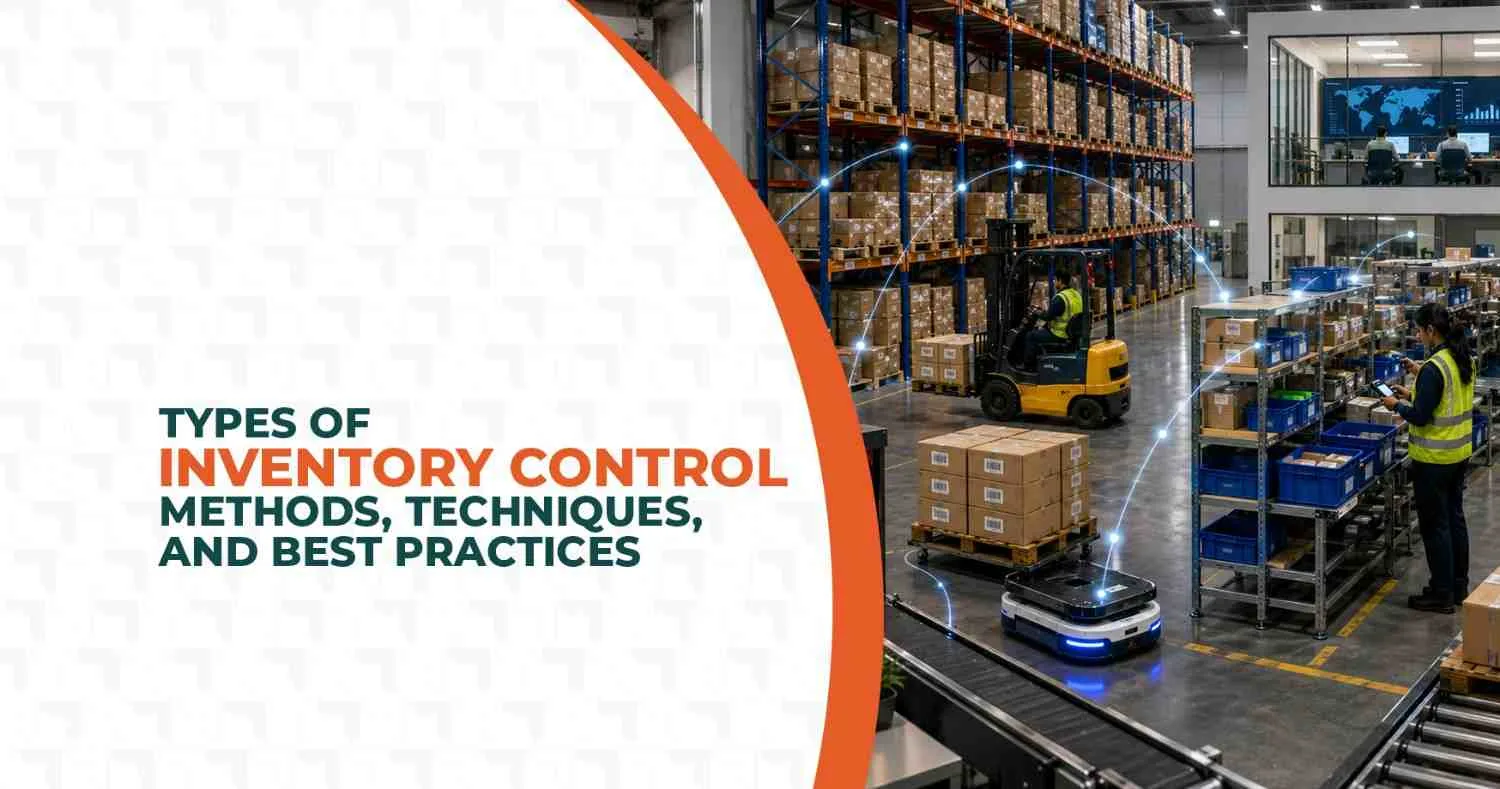
Types of Inventory Control: Systems, Methods, and Technologies for Better Warehouse Visibility